The large-scale expansion of Madrid’s underground transport system will directly impact the lives of the capital’s residents. A new tunnel, stretching more than five kilometers, will link neighborhoods that were previously separated by long transfers and inconvenient routes. This solution not only promises to cut travel times, but also to change the established patterns of moving around the city.
The project begins in the Carabanchel district, where preparatory work has already started near the Comillas station. The tunnel will run underground to Plaza Conde de Casal in the Retiro district, covering about 5,200 meters. This scale will create a new underground corridor, connecting several densely populated neighborhoods and providing direct access to major transport hubs.
Technology and speed
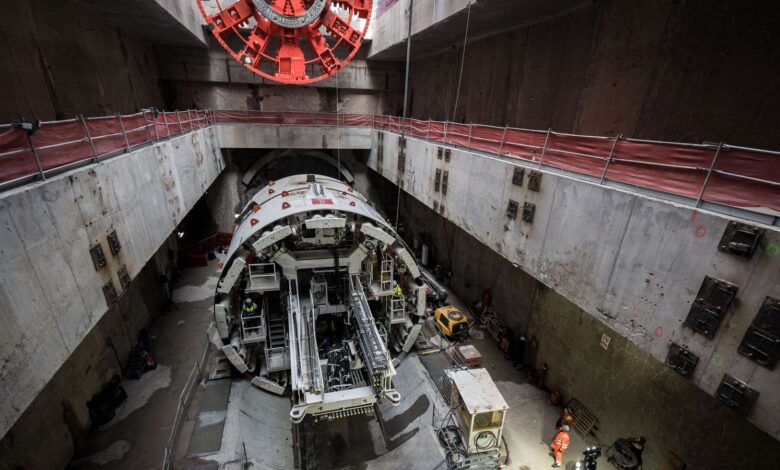
Construction of the tunnel uses a unique German machine, Mayrit, measuring 98 meters long and weighing almost 1,500 tons. After a complex assembly process in Madrid, specialists are now conducting hydraulic and mechanical tests so that drilling can begin within weeks. Mayrit will move from Comillas heading east, boring beneath key city infrastructure and residential areas.
The new section will include stations Madrid Río, Arganzuela, Palos de la Frontera, and Atocha, with Conde de Casal as the final stop. This route will allow residents of southern districts to reach the center and transfer hubs faster, including Atocha station, which has long needed added capacity.
The main advantage of this project is its construction speed. While traditional methods allow for progress of around 50 meters per month, Mayrit can advance up to 15 meters per day, which is equivalent to 450 meters per month under favorable conditions. This means the main drilling phase could be completed in 13–14 months, significantly speeding up the project’s delivery timeline.
Construction and Innovation
What sets the Mayrit machine apart is that it not only drills but also builds the tunnel walls as it moves. Its disc-cutting system breaks up the ground, while conveyors remove the excavated material. At the same time, concrete rings are installed to form the backbone of the new metro line. This approach minimizes risks and enhances safety throughout the process.
The extension of Line 11 is part of a long-term strategy to develop new cross-city connections in Madrid. There are future plans to extend the route northwards to link the Mar de Cristal, Valdebebas, and Barajas airport districts. This will help integrate new residential neighborhoods and major transport hubs into a unified network.
According to russpain.com, trains on the new tunnel are expected to start running by late 2027 or early 2028. This upgrade will significantly reduce travel times between the southern and eastern parts of the city, and improve access for residents in several districts at once.
Urban Impact
The large-scale works have already attracted the attention of city authorities and transport experts. Upon completion of the construction, not only will train routes change, but residents’ usual travel patterns will be affected as well. Authorities are warning of possible temporary traffic restrictions and recommend planning your trips in advance, especially during peak phases of the project. Recently, the capital has already experienced service disruptions caused by protests and rallies, as detailed in the article on the impact of mass events on Madrid’s transport system.
The introduction of new stations and routes will help redistribute passenger flows and ease congestion on overloaded lines. For many residents, this will be an opportunity to switch from private vehicles to the metro, which will have a positive effect on the city’s ecology and noise levels.
In recent years, Madrid has been actively investing in the development of public transport. Similar projects have already been implemented on other metro lines, where new tunnels and stations have reduced travel times and improved comfort for passengers. For example, extending Line 8 to Barajas Airport and opening new transfer hubs in the city center have greatly improved transport accessibility. Such changes always bring temporary inconveniences, but in the long term, they deliver clear benefits for both residents and visitors to the capital.