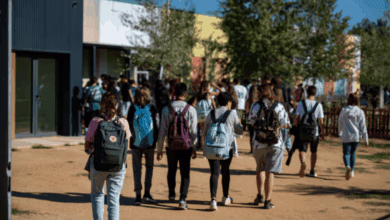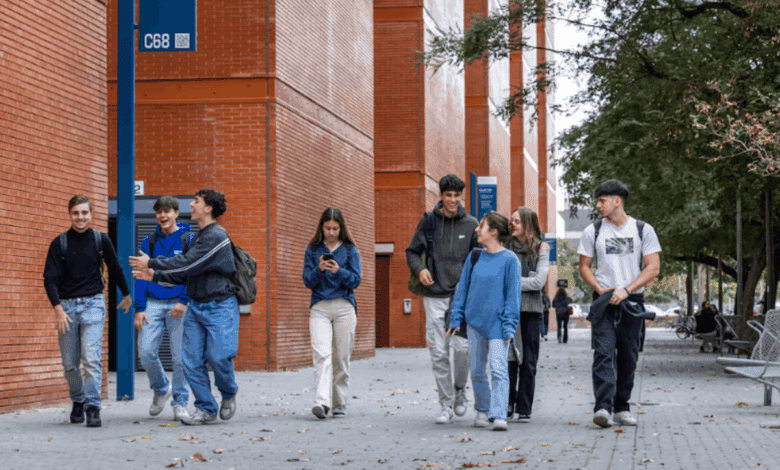
A debate is heating up in Madrid over proposed changes to the education system that could affect thousands of families. Regional authorities have suggested that students in the first two grades of secondary school (ESO) remain in primary schools instead of transferring to high schools. This decision has sparked a strong reaction from state high school principals, who believe such a move would break the educational continuity and create new challenges for adolescents.
According to the Association of State High School Principals of Madrid (Adimad), splitting the phases of education between different institutions will not only complicate the organization of the learning process but will also negatively affect students’ adaptation. Principals emphasize that teenagers aged 11 to 14 require a special approach, which high schools have already developed: they employ specialist teachers, offer support services, and have experience handling conflicts. The introduction of this new model, they say, may disrupt continuity and make it harder for children to integrate when moving to the third grade of secondary school.
Arguments from both sides
The Madrid authorities, on the other hand, believe that the new system will help protect children from negative influences and improve their academic performance. According to El Pais, the initiative is also supported by former education advisor Emilio Viciana, who noted that many schools have already expressed a willingness to join the reform. In the 2026/2027 academic year, even more institutions will be able to accept first- and second-year ESO students if they receive approval from their governing boards and carry out the necessary infrastructure changes.
Supporters of the reform insist that uniting primary and secondary education within the same institution will help reduce early school dropouts, improve adolescents’ daily routines and nutrition, and lower the risk of loneliness and involvement in antisocial groups. This approach has long been practiced in private and semi-public schools, where both educational stages are housed in the same building.
Reaction from parents and teachers
Parents are divided in their opinions. Some believe that the new system will make family life easier, as many primary schools offer afternoon activities while high schools operate only in the morning. Others worry that the gap between educational stages will become even more pronounced, and students will have to change their peer group and teachers in the middle of an important period.
Lyceum administrators suggest an alternative: if the goal is to support parents, it would be better to invest in lyceum infrastructure, open cafeterias, and organize free extracurricular activities. In their view, this would help preserve the integrity of the educational process and prevent children from having to change schools midway through.
Organizational challenges
Introducing the new model requires not only the approval of school boards but also schools’ technical readiness. According to El Pais, last year 52 institutions received permission to implement the reform, and 49 have already begun operating under the new regulations. New schools are being built with the necessary requirements for both educational levels in mind.
Given the declining number of students in the region, expanding the role of primary schools could help preserve jobs and sustain small institutions. However, lyceum heads warn that such measures must not come at the expense of education quality or the interests of adolescents.
Context and experience of other regions
Issues surrounding the organization of the educational process and the distribution of workloads between schools and lyceums have repeatedly sparked debate in Spain. For example, a teachers’ strike was recently discussed in Catalonia, triggered by disagreements over working conditions and reforms. Details about how authorities and educators argued over the scale of the protest can be found in the article on disagreements regarding the reporting of the teachers’ strike.
In recent years, various regions of Spain have attempted to reform the structure of school education to increase its effectiveness and adapt to demographic changes. In some cases, these reforms have improved outcomes, but they have often sparked debates among teachers, parents, and officials. The question of where and how teenagers should study remains unresolved and requires further discussion.