Ahead of Easter, Madrid authorities have decided to significantly increase metro service in the city center. This measure is due to the expected influx of passengers and the need to ensure uninterrupted transport during days when the capital’s center traditionally hosts large-scale events. According to El Pais, these steps will affect thousands of residents and visitors who plan to travel through the city center during the holidays.
Authorities announced that from April 1 to 3, the number of trains will be increased on metro lines 1, 2, 3, and 5. The most noticeable changes are expected on line 2, where the number of trains will rise by up to 125% during certain hours. This decision is due to these routes passing through neighborhoods where the highest concentration of people is expected for religious processions and festive events.
Restrictions and closures
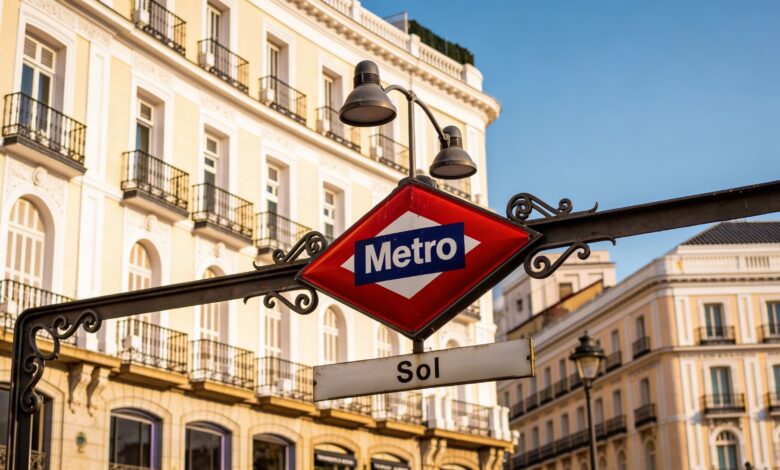
Special attention has been given to Sol station, traditionally one of the busiest during the holidays. On Friday, April 3, from 5:30 p.m. until the end of metro service, the station will be closed for entry and exit. However, trains will continue to stop there for transfers between lines. This decision was made at the request of the National Police to prevent overcrowding on the square and in the metro.
Depending on the situation on the streets, additional temporary closures may occur not only at Sol, but also at Gran Vía station. Such measures will be implemented only if necessary and in coordination with the police. Authorities emphasize that passenger safety and comfort remain the top priorities, especially during rush hours.
Additional staff and security
To maintain order and respond quickly to possible emergencies, the metro will increase the number of employees and security personnel. Special attention will be given to stations with the highest passenger traffic: Sol, Ópera, Callao, Gran Vía, and Sevilla. Reinforced staff presence will enable faster response to changes in passenger flows and help prevent bottlenecks at entrances and exits.
According to El Pais, such measures have repeatedly proven effective during mass events. Authorities expect that, thanks to additional trains and staff, serious delays can be avoided and stable transport operations maintained even with a sharp increase in passenger numbers.
Holiday traditions and past experience
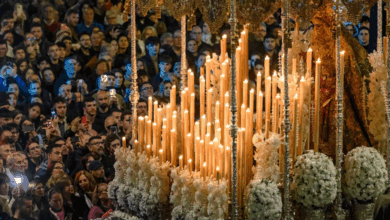
In Madrid, Easter is traditionally marked by large-scale processions and events that attract both locals and tourists. In previous years, the city has already faced the need to temporarily restrict access to central metro stations to prevent crowding and ensure safety. For instance, in 2024 and 2025, similar measures helped avert major incidents and maintain stable transport operations during periods of increased demand.
In recent years, city services have been actively applying experience from previous years to quickly respond to changes in passenger flow. Introducing temporary restrictions and increasing the number of trains has become standard practice during major holiday periods. This approach helps minimize inconvenience for city residents and visitors, as well as reduce risks associated with large crowds in public spaces.
Overall, stepped-up metro operations and temporary station closures in central Madrid during Easter have become part of a comprehensive strategy to ensure safety and comfort for the city’s residents. These measures help maintain the normal pace of life even during the busiest days of the year.