Madrid’s public kindergartens are facing a critical situation: educators deal with chronic staff shortages, low salaries, and outdated facilities. These issues directly impact the safety and quality of childcare, raising concerns among parents and education professionals. According to El Pais, these circumstances have led to an indefinite strike starting April 7.
Caretakers report they are unable to provide adequate supervision for young children due to overcrowded groups. Some centers lack basic amenities — there are no air conditioners or lockers for personal belongings, and staff often have to fix leaks themselves during rainy weather. In a school in Alcobendas, teachers are forced to leave children unattended while changing another child’s diaper, creating dangerous situations.
The problems are compounded by the fact that many kindergartens are housed within primary schools, where mismatched schedules and limited space lead to logistical challenges. El Pais reports that some facilities don’t even have room to store materials and toys, and last summer an attempt to combat the heat with a portable air conditioner created additional risks for the children.
Funding and infrastructure
Madrid authorities claim to comply with all requirements of the current sectoral agreement, yet educators point out that their salaries barely reach the minimum level, and the improvement of working conditions is postponed until 2028. In municipal nursery schools, despite lower student-to-teacher ratios and working in pairs, pay remains significantly lower than in regional institutions.
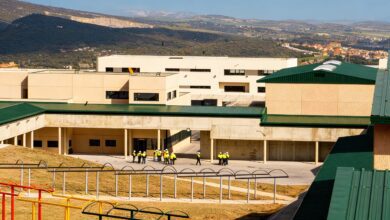
The state of the buildings is a separate concern: according to the municipal branch of the PSOE, more than half of nursery schools have unsatisfactory results on technical inspections. In some cases, whole classrooms are closed due to leaks, and teachers are forced to spend their own money on supplies and even food for the children.
At a school in the San Blas-Canillejas district, courtyard façades and walls are crumbling; in summer, children nap in diapers because of the heat, and in winter, they must wear jackets indoors. According to El Pais, funding does not cover even basic needs, leaving educators to make up for the lack of resources out of their own pockets.
State support and scholarships
Since 2022, Madrid authorities have provided scholarships for families whose children attend private nurseries due to a shortage of spaces in public institutions. This academic year, €67.3 million have been allocated for this purpose, and the number of recipients has exceeded 34,000. However, this policy is controversial: a portion of the funds goes to the private sector, and even families with incomes above €100,000 are eligible for scholarships.
The Madrid municipality also runs its own support program, but out of 11,738 applicants, only 1,214 families received assistance. This means 90% of those in need were left without support. Educators believe that instead of expanding the scholarship system, authorities should invest in raising salaries and improving working conditions in public nurseries.
When institutions face staff shortages, they often stop admitting new children instead of hiring additional employees. This practice reduces access to early childhood education for low- and middle-income families.
Demands and response from authorities
Educators are demanding the inclusion of the first cycle of early childhood education in the new draft law on group size standards, announced by Pedro Sánchez. Currently, this issue is regulated only at the level of recommendations, which does not satisfy education sector workers. The Ministry of Education promises to consider the proposals, but so far has limited itself to regulating teachers’ workloads.
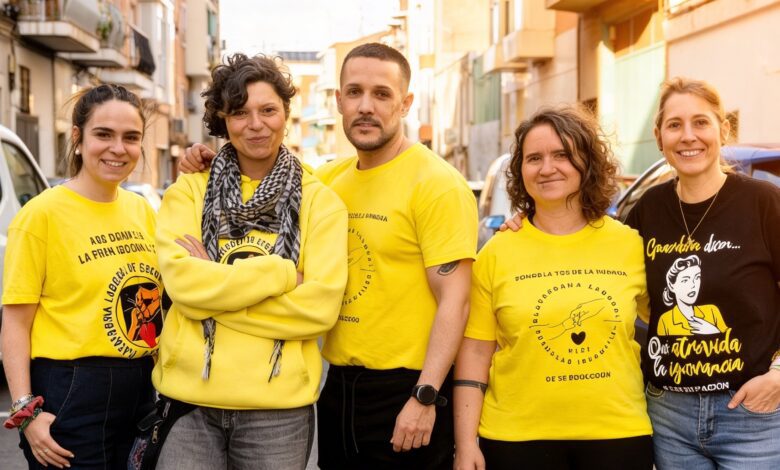
In response to the strike, Madrid authorities announced the introduction of minimum service standards to prevent nursery closures. While officials are urging unions and employers to engage in dialogue, teachers are demanding concrete actions and have already scheduled a series of protests outside ministry and regional government buildings.
In the context of ongoing budget discussions in Spain, it is worth noting that similar debates over funding allocation and priorities have already taken place in other regions. For instance, recent changes to the Catalan budget have sparked intense debate among politicians and experts, as shown by the analysis of the Catalonia budget situation.
In recent years, there have been repeated protests by education workers in Spain over working conditions and funding. In 2024, teachers in Andalucía also called for lower class sizes and higher salaries, while in Valencia safety issues in school buildings were debated after a series of leaks and structural incidents. These events highlight that concerns over preschool education quality and teachers’ working conditions remain unresolved nationwide, and solutions adopted in one region often serve as examples for others.