The issue of wage inequality in Madrid is becoming increasingly acute, affecting thousands of families and impacting the region’s economic stability. Women here earn several thousand euros less than men each year, which influences not only their current standard of living but also their future pensions and social benefits. This situation highlights how deeply rooted gender disparities are in the capital’s labor market.
Recent studies show that the wage gap between men and women in Madrid exceeds the national average. While men earn almost 36,000 euros per year on average, women have to settle for an amount 8,000 euros less. Despite the presence of the country’s largest companies and government institutions in the region, the gap continues to widen.
Employment structure
The reasons for such a significant gap lie in employment patterns. Women are more likely to work in temporary or part-time positions, which directly affects their income. In Madrid, one in eight women holds a temporary contract, and nearly a quarter of employed women do not have a full working week. By comparison, these conditions are considerably rarer among men.
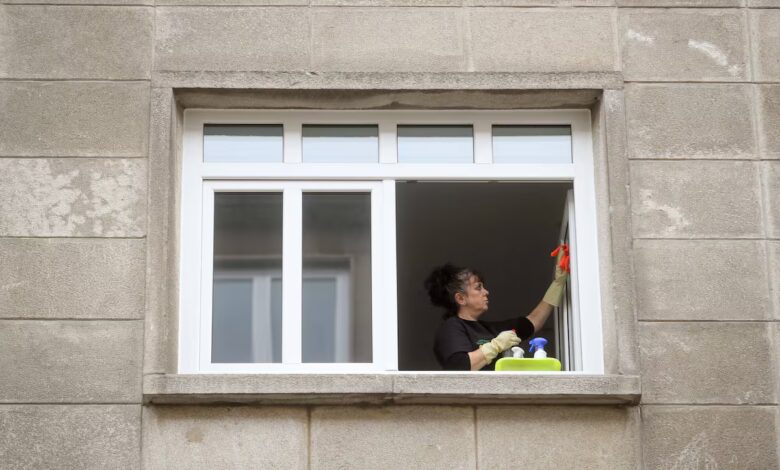
In certain industries, the situation is particularly acute. For example, in cleaning and service sectors, women have virtually no chance of securing full-time work or a stable contract. Employers prefer to hire several staff on reduced hours to avoid extra payments and simplify personnel management. As a result, many are forced to look for a second or even third job to earn a decent income.
At the same time, men in similar companies are more likely to hold higher-paid, full-time positions. This creates a vicious cycle where women cannot increase their earnings due to limited career advancement opportunities and a lack of promotion offers.
Hidden barriers
Inequality is evident not only in the number of working hours but also in access to leadership positions. The so-called ‘glass ceiling’ still prevents women from advancing in their careers. Men hold most management roles, which automatically gives them higher salaries and additional bonuses.
In some sectors, such as financial and insurance services, the income gap reaches nearly 35%. Here, women face a double barrier: not only are they less likely to obtain a highly paid position, but they also receive lower pay for similar work.
The situation is aggravated by the fact that employers often use formal pretexts to deny women full-time positions or promotions. For example, the possibility of adjusting work schedules to accommodate family responsibilities often becomes a tool to limit women’s career prospects.
Impact on the future
The consequences of pay inequality are felt not only in the present but also in the future. The amount of pensions and social benefits is directly linked to official earnings and work history. Women who have spent their lives working part-time or on temporary contracts receive significantly lower pensions compared to men.
In Madrid, the gap in pension payments between men and women exceeds 6,000 euros per year. This means that even after retirement, women continue to face financial difficulties rooted in discrimination in the labor market.
In addition, women are more likely to take leave to care for children or relatives, which also negatively impacts their income and career advancement opportunities. More than 80% of all applications for such leave are submitted by women, highlighting the persistence of traditional roles in society.
Horizontal and vertical segregation
Experts identify two types of segregation that affect the situation: horizontal and vertical. The first refers to the fact that women and men work in different sectors of the economy. For example, in social services, where salaries are traditionally low, there are twice as many women as men. The second, vertical segregation, concerns the distribution of positions within a single company: men are more likely to hold leadership roles, while women remain in lower-paid positions.
These phenomena create a persistent system in which women face barriers at every stage of their working lives. Even when they have the necessary qualifications and experience, career advancement remains unlikely for them.
As a result, despite the formal equality established by law, the reality of the labor market is far from fair. Women continue to face obstacles that prevent them from realizing their potential and earning fair pay for their work.
In recent years, Spain has repeatedly raised the issue of reforming the wage system and creating additional safeguards for women. Some regions have attempted to implement equality incentive programs, but the results remain modest so far. Other European countries also report significant income disparities between men and women, but the rate at which this gap is narrowing is higher there. In Spain, however, the problem remains pressing, especially in major cities and economically developed regions.