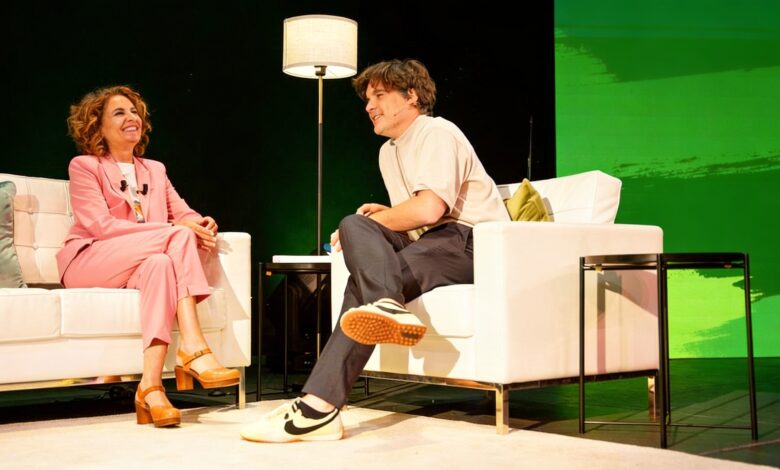
The move of María Jesús Montero from Madrid to Seville has become a symbol of changes affecting not only the region’s political life, but also personal destinies. For the people of Andalusia, this story is not just about a change of address, but about how decisions made at the top resonate in everyday life. Montero, nominated by PSOE as their candidate for the head of the autonomous region, has drawn attention for her unusual approach to relocating: all her belongings remain in boxes, and she does not plan to unpack them until the end of the election campaign.
This decision is due not only to a lack of time, but also to her inner mindset: for her, the most important thing right now is to focus on the upcoming vote. Montero emphasizes that her return to Andalusia is a formality, as she has always kept in touch with family and friends despite years of work in Madrid. According to her, the party itself insisted on her running in the elections, and her personal attachment to the region only strengthened her motivation.
Personal and political
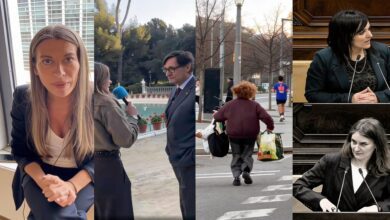
During a recent appearance in Seville, Montero chose to reveal another side of herself by opting for an informal interview format with journalist Julio Muñoz, known by the pseudonym ‘Rancio.’ In the conversation, she spoke about her childhood in a large family, her parents, who were educators, and how her faith and desire to help others first led her to medicine and later to politics. Montero noted that over her years in government, she repeatedly faced prejudice because of her accent and manner of speaking. She especially felt this in Madrid, where she believes women with an Andalusian accent are often met with suspicion.
She does not hide that criticism of her appearance and behavior has been a challenge, but she has no intention of changing herself to meet others’ expectations. Montero is convinced that her sincerity and openness are part of her Andalusian identity, and she is not willing to betray that for political gain. She says that after eight years in the capital, she has not lost her ties to her roots, and now she is ready to work once again for the good of her region.
A focus on healthcare
One of the key issues in Montero’s campaign has been the state of the healthcare system in Andalusia. She warns that if current trends continue, the region could lose what was until recently considered its greatest achievement. Montero believes that another four years without change will lead to an irreversible decline in medical services. Although her daughters would rather see their mother leave politics, she intends to keep fighting, seeing it as her duty to her fellow citizens.
Throughout the campaign, Montero repeatedly emphasized that the 17-M election is not just a political event but a decisive moment for Andalusia’s future. She openly criticizes the current regional leader, Juanma Moreno, accusing him of passivity and lack of initiative. In Montero’s view, government apathy could end up costing residents dearly, especially in the area of healthcare.
Personal challenges and public resonance
The story of the boxes sparked discussion among both supporters and opponents. Montero admits that she sometimes opens one to look for something she needs, but for the most part prefers to leave everything as it is until the election is over. This approach has caught voters’ attention, highlighting how closely a politician’s private life intertwines with public duties.
Attention to the personal background of candidates has become a notable trend in Spanish politics in recent years. As russpain.com points out, such factors often spark public debate and influence how candidates are perceived. For example, recently the increase in employment in Spain has sparked debate about the country’s real challenges despite positive statistics.
In recent years, Spain has seen more cases where politicians’ personal circumstances become part of the public conversation. Moves, family stories, and even daily life details often attract attention, reflecting society’s growing interest in the human side of politics. These episodes usually prompt a strong reaction and can shape election outcomes, especially in regions with a strong identity and traditions.