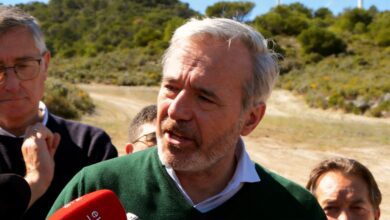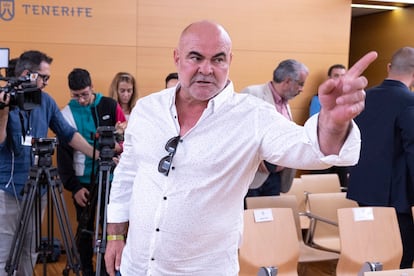
A high-profile corruption investigation in the Canary Islands moves to a new stage: the court has officially completed the preliminary inquiry into the Mediador case and is preparing to bring charges against former deputy Juan Bernardo Fuentes Curbelo, known as Tito Berni, and 22 others. This decision could mark a turning point for Spain’s entire system of government spending oversight and transparency among public officials. The investigation centers on suspected bribery, abuse of office, and manipulation of state contracts.
Judge María de los Ángeles Lorenzo-Cáceres y Farizo has completed the first phase of the investigation and ruled to proceed with the case in a fast-track process, paving the way for the trial to begin soon. The case files include allegations of bribery, embezzlement, abuse of power, influence peddling, fraud, forgery, money laundering, and even crimes against the tax system. A total of 23 people are under investigation, including not only politicians but also members of law enforcement and the business community.
Key figures
Among the defendants are Tito Berni’s nephew, former Director of Livestock Affairs for the Canary Islands government Taishet Fuentes, retired Civil Guard General Francisco Espinosa, and the middleman who gave the case its name, Marco Antonio Navarro Tacoronte. Investigators believe these individuals were key points of contact between businesspeople and officials, with bribes handed over not only as cash, but also in the form of lavish dinners, parties, and other services.
According to investigators, the scheme was based on promises to influence administrative decisions — from licensing to the allocation of subsidies. However, despite numerous meetings and contacts, there is still no evidence that officials were actually able to alter specific cases or benefit businesses. Nevertheless, the very existence of this system of promises and informal agreements has already triggered widespread public outcry.
Mechanisms of corruption
Particular attention is being paid to General Espinosa’s role, as investigators say he offered his services to ‘resolve issues’ for a fee, although there is no direct evidence any such deals were successfully concluded. Notably, the investigation was launched after a false complaint about bank card fraud was filed in December 2021. It was only after this that the middleman, Navarro Tacoronte, provided investigators with information that uncovered the alleged corruption network.
The case materials describe instances where entrepreneurs visited the Congress of Deputies to create an appearance of political influence, as well as cases where service payments were not made directly but through gifts or services. Although there was no direct damage to the Canary Islands’ budget, the investigation notes that the system of promises and informal commissions undermines trust in public institutions.
Charges and consequences
The judge has detailed which specific crimes each figure may be charged with. For example, Navarro Tacoronte could face several charges: bribery, fraud, embezzlement, abuse of power, influence peddling, document forgery, and money laundering. A similar set of accusations threatens Tito Berni, Taishét Fuentes, and Francisco Espinosa.
For other participants, such as the former Deputy Minister for Agriculture Álvaro de la Bárcena Argany and ex-director for Climate Change José Domingo Fernández Herrera, the range of possible charges is narrower: abuse of power, influence peddling, and misappropriation of public funds. In their case, accusations of fraud, bribery, and document forgery are not present.
Context and comparisons
The surge of interest in corruption cases in Spain is no coincidence: in recent years, the country has witnessed a series of high-profile trials involving misconduct among senior officials. For example, public attention was recently drawn to Judge Antonio Piña’s decision to refuse reopening the investigation against María Dolores de Cospedal, sparking heated debates about the transparency of the judicial system. Read more about how such decisions impact trust in the justice system in our piece on the unexpected twist in the Villarejo case.
Corruption scandals involving public contracts and influence over officials’ decisions are a regular topic of discussion in Spanish society. In recent years, schemes have been uncovered involving both regional administrators and law enforcement agencies. Each new case raises questions about the need for reform and greater oversight of officials’ actions. Public attention to these processes remains high, and the demand for transparency and fairness continues to grow.