In autumn 2025, Madrid will host the twelfth season of a cultural program that gives residents and visitors free access to buildings normally closed to the public. From September 14 to December 2, more than twenty palaces and residences—key examples of the region’s architectural and historical heritage—will open their doors across Spain’s capital.
Organizers have prepared over 120 guided tours scheduled on various days and times. To participate, advance online registration is required on the project’s official website starting September 3. Each person may reserve no more than two spots, and only one site can be selected per application.
The program offers visitors the chance to explore landmark buildings such as Palacio de Buenavista, current headquarters of the Army, Palacio de Fernán Núñez, owned by Fundación de los Ferrocarriles Españoles, Palacio de Liria, associated with Casa de Alba, as well as the mansion of Basilio Avial, home to the management of ONCE. Each site will be available for tours on select dates and times.
Among other participants are the Italian Cultural Institute, housed in the Palacio del Duque de Abrantes, the Italian embassy in the Palacio del Marqués de Amboage, as well as the Palacio de la Duquesa de Parcent, which now serves as the headquarters of the Ministry of the Presidency, Justice and Relations with the Cortes. The program also includes the Palacio de Santoña, the Palacio de los Marqueses de Santa Cruz, and the Casa-Palacio de Manuel González-Longoria, currently home to the Notarial Chamber.
Registration for the tours takes place through a virtual queue, and groups are kept small. All tours are led by heritage specialists, who guide visitors through grand halls, historic gardens, private libraries, and exclusive art collections. Last year, more than 20,000 people showed interest in the project.
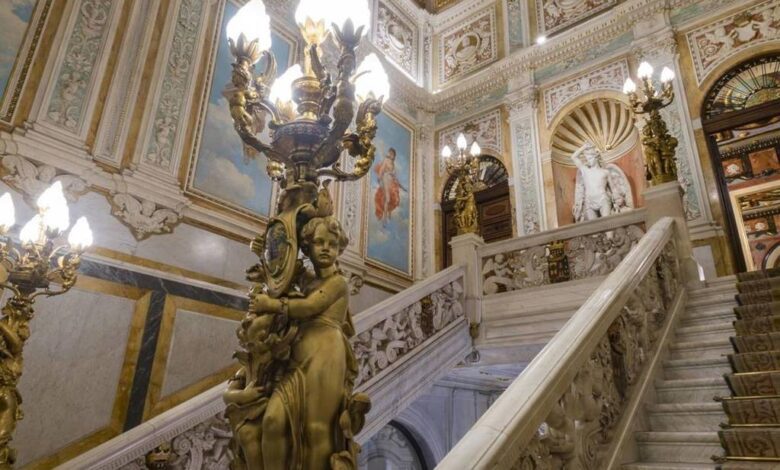
Each building has its own unique features: for example, the Palacio del Duque de Abrantes preserves a section of the 9th-century Islamic wall, the Palacio del Marqués de Amboage houses a greenhouse with a monument to dancer Pastora Imperio, and the Basilio Avial mansion displays early 20th-century stained glass by Pascual Herráis and Silo. The halls of the Palacio de Buenavista showcase paintings by Goya, Benlliure, and Madrazo; the Palacio de Liria features the House of Alba’s Bible and letters from Christopher Columbus; while the Palacio de Fernán Núñez is known for its marble staircase and 19th-century ballrooms.
Precise dates, schedules, and registration guidelines make this initiative a notable event for everyone interested in Madrid’s lesser-known corners and architectural landmarks.