A new political coalition is taking shape in Spain, poised to shift the balance of power in the upcoming elections. The unification of left-wing parties is a response to the growing influence of the right and the deepening polarization of society. For many Spaniards, this development could become a turning point that will define the country’s future and its social policy.
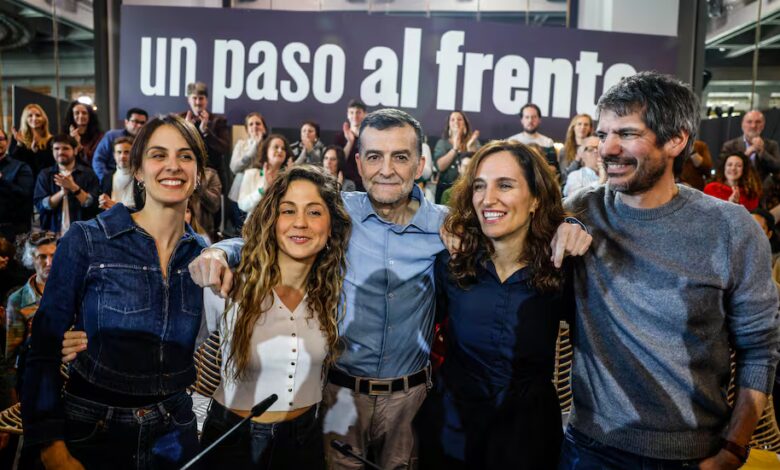
Last weekend, a meeting in Madrid gathered over 600 supporters and representatives of key left-wing movements. Leaders from Izquierda Unida, Más Madrid, Comunes, and Movimiento Sumar attended the event. Organizers had to open an additional hall to accommodate everyone wishing to follow the proceedings. According to El Pais, the atmosphere in the room was tense but charged with hope for change.
The search for unity
Recent years have been challenging for the left wing of Spanish politics: internal disagreements and fragmentation have weakened its position at the national level. The new alliance aims to overcome these issues and attract even more organizations, including Podemos, which has yet to join the initiative. The absence of Yolanda Díaz at the meeting was a notable detail; her decision regarding future election participation remains unknown and is raising many questions among supporters.
At the same time, party representatives emphasized that preventing further division is more important than ever. Mónica García from Más Madrid stated that every vote is necessary for victory, and the project must remain open to new ideas and participants. She was met with applause and chants of her name, making it one of the most emotional moments of the meeting.
Response to the challenges
Antonio Maíllo from Izquierda Unida reminded everyone of the need to assess the situation realistically and seek solutions to help fight inequality and prevent the rise in far-right popularity. He noted that the union of the four parties is just the beginning, and other movements may join in the future.
Culture Minister Ernest Urtasun, representing Comunes, criticized the idea of uniting solely for an arithmetic advantage. In his view, victory requires a strong political program that can engage a broad segment of the population. He highlighted three priorities: effective governance, countering the radical right, and creating a project that appeals to the majority.
Openness to dialogue
Lara Hernández from Movimiento Sumar stressed the importance of being open to new proposals and being ready to discuss cooperation with those not yet part of the coalition. She called for creative solutions to avoid splitting the vote and to strengthen the left’s position in the elections.
Rita Maestre from Más Madrid opened the meeting with a call not to repeat past mistakes and to remain open to new ideas and leadership. Questions regarding the coalition’s name, choice of leader, and the formation of candidate lists remain unresolved for now, but participants are confident that their collaboration is already yielding results.
Context and consequences
The situation in Spain is complicated by the growing influence of far-right forces, not only within the country but across Europe and the United States. The meeting included representatives of other leftist movements, as well as trade union leaders and former members of Podemos, highlighting the magnitude of the ongoing changes.
According to El Pais, meeting participants expressed their determination to continue working toward unity and mobilizing progressive voters. The outcome of this process could significantly impact the results of future elections and set the country’s course for years ahead.
In recent years, Spain has already faced attempts to unite left-wing forces ahead of major elections. For example, similar initiatives in 2023 temporarily strengthened progressive parties, but internal disagreements often hindered long-term success. Now, the situation appears more tense due to the rise in popularity of right-wing movements and the urgent need for solutions. Similar developments can be seen in other European countries, where leftist parties are searching for new models of cooperation to confront the challenges of the times.