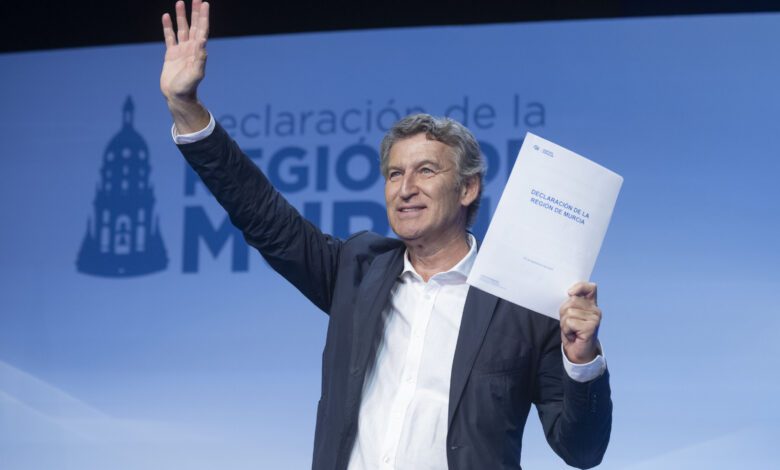
At the beginning of 2025, the People’s Party (Partido Popular, PP) presented an updated immigration policy concept, which immediately sparked intense debate. The party leadership decided to clarify its stance on issues of entry, legalization, and integration of foreigners, clearly distinguishing itself from previous, more vague statements.
Among the proposed measures are encouraging legal pathways for immigration, stricter penalties for those who break the law, and linking social benefits to employment. In addition, the party insists on prioritizing sectors of the economy that are experiencing acute labor shortages. According to PP representatives, these steps should make the system more transparent and effective.
In practice, however, implementing these ideas may face serious challenges. For example, the issue of deporting violators is complicated by the lack of cooperation from several countries from which migrants arrive. The experience of the United Kingdom is cited as an example, where, after the introduction of a points-based visa system, the flow of illegal migrants not only failed to decrease, but became one of the main topics of public debate. As a result, the ruling party there lost significant support, while nationalist-populists gained ground.
Special attention was drawn to the focus on integration. The PP proposes stricter requirements for the adaptation of migrants, but does not specify the criteria by which the success of this process will be evaluated. There is no consensus within the party itself: some believe that compliance with the law is sufficient, while others insist on deeper cultural assimilation. Questions about what exactly should be considered integration—language proficiency, religious views, or, for example, familiarity with Spanish literary classics—remain unanswered.
Debate continues in Spanish society: some support tougher measures as necessary to maintain order, while others fear that such steps could lead to discrimination and the erosion of individual freedoms. Ultimately, the discussion around the new PP initiatives highlights how complex and multifaceted the issue of migration remains in contemporary Spain.