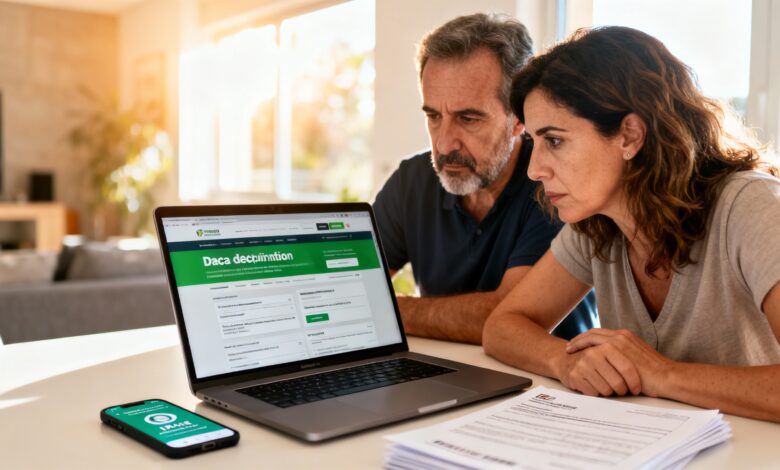
In 2026, the Spanish tax system is undergoing significant changes: the campaign for submitting the 2025 Income Tax (Renta) returns begins, and now nine million residents across the country will be able to use instant electronic filing. This development directly affects the speed of refunds and convenience of document processing, which is especially important for those who rely on a fast payout or prefer remote services. The new measures impact not only the deadlines but also broaden the range of users who have access to the simplified procedure.
According to russpain.com, a record number of filings is expected this year—over 25 million. About 62% of these will result in tax refunds, and the total payout may exceed 13 billion euros. For those whose declaration means they owe additional tax, there is an option to defer payment and new ways to pay, including Bizum and bank cards. This approach allows citizens to manage their finances more flexibly and avoid unnecessary visits to tax offices.
Expansion of the ‘Renta Directa’ service
The main change to the campaign is the doubling of potential ‘Renta Directa’ service users. Now, in addition to those with simple tax situations, new groups also have access: mortgage holders entitled to government benefits, new taxpayers, and certain categories eligible for regional deductions. The system automatically transfers all necessary data, allowing the tax return to be submitted in just a few minutes. For those needing to make changes, the familiar ‘Renta Web’ service remains available, where you can refine the draft and then choose a convenient submission method.
This year, ‘Renta Directa’ for the first time includes payment options via Bizum and cards, which were previously only available on ‘Renta Web’. This step makes the process even more flexible and modern, and the interface has been adapted for larger screens, which is particularly convenient for computer and tablet users.
New features and support
Alongside the expansion of ‘Renta Directa’, improvements to ‘Renta Web’ continue. In 2026, new tips have been added to prevent errors when filling in the forms, along with expanded information on regional and national subsidies. Users receive alerts about possible omissions and automatic reminders about potential deductions they may have missed. This reduces the risk of mistakes and subsequent audits by the tax authorities.
The tax agency’s mobile app has also been updated: it now supports up to 20 users on one device, which is convenient for families. You can use the app not only to file your tax return, but also to track the refund status, receive notifications, and manage personal data. For security, the device must have a screen lock activated.
Schedule and filing methods
The campaign starts on April 8, 2026 and ends on June 30. For those paying through a bank, the deadline is June 25. Phone support and the ‘Le Llamamos’ service will be available from May 6, and in-person appointments at offices start on June 1. You can book a consultation through the online platform or the app, where you can conveniently choose the date and location.
You can file your tax return online, via the app, by phone, or in person at tax agency offices and partner banks. For electronic access, ‘Clave’, a reference number, or an electronic certificate are used. It is important to note that for certain groups, such as Ingreso Mínimo Vital recipients or self-employed individuals, filing a return is mandatory regardless of income amount.
Who is not required to file
Most citizens whose employment income does not exceed €22,000 per year are exempt from filing a tax return. However, if income comes from multiple employers or tax was not withheld, the threshold drops to €15,876. Separate limits apply to other types of income, and there are special rules for benefit recipients and entrepreneurs.
It is recommended to carefully review all information before submitting: regional deductions, property details, family changes, rental, investments, and other important details. This will help avoid mistakes and speed up the refund process.
Reference and context
In recent years, Spain has been actively implementing digital services for taxpayers, focusing on automation and reducing bureaucracy. In 2025, there was already an increase in the number of online service users, and this year the number has doubled. A similar trend has been observed in other EU countries, where electronic tax declarations are becoming the norm. Recently, new limits and deductions have been discussed in the country, which were covered in detail in a report on the latest tax policy changes — details on the new rates and submission deadlines can be found at russpain.com. These measures aim to increase transparency and convenience for citizens, as well as speed up tax refunds and reduce errors in document preparation.