International Acclaim for a Medieval Gem
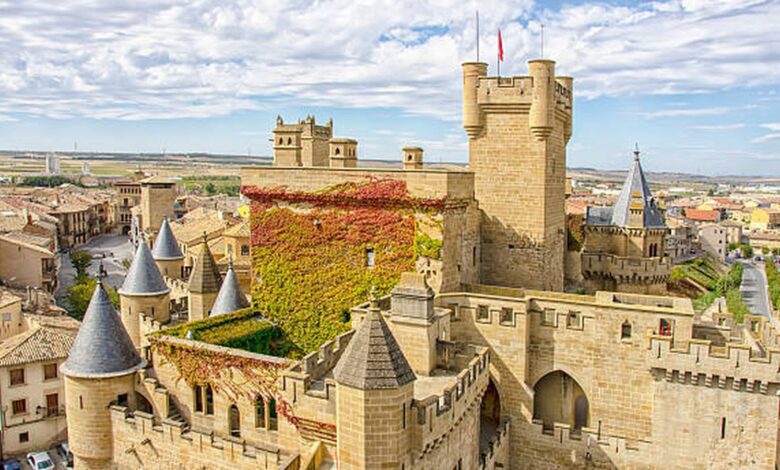
In the heart of Navarra, just 40 kilometers from Pamplona, a silhouette rises as if plucked from the pages of a chivalric romance. The Royal Palace of Olite, a monumental edifice, has once again drawn attention far beyond Spain’s borders. The international press has hailed it as one of the most spectacular fortresses in the country, highlighting its rich historical legacy and exceptional preservation. This national monument uniquely blends defensive strength with courtly elegance. Its towers, galleries, and courtyards, built in the 14th and 15th centuries, tell the story of a time when Olite was the center of court life, not merely a military outpost.
The castle’s architecture reflects its dual purpose. This is not a grim citadel but rather a fairytale palace, whose towers, balconies, and secret passageways transport visitors back to an era of noble knights and lavish feasts. It is precisely this atmosphere and intricate design, where various styles and European influences intertwine, that make it an outstanding example of medieval architecture.
A Golden Era: Exotic Menagerie and Cultural Hub
One of the most fascinating chapters in the palace’s history is its extraordinary zoo. During the reign of Carlos III the Noble, when the castle reached its peak splendor, a real menagerie was created within its walls. This was something unimaginable for medieval Europe. The zoo housed exotic animals brought from distant lands: giraffes, buffaloes, rare birds, reptiles, and even large predators. This collection was the monarch’s pride, a display of his power, wealth, and curiosity about the unknown.
But the main attraction, which truly amazed courtiers and visitors, was a mechanical dragon crafted by master artisans especially to entertain the royal court. News of this technical marvel and exotic menagerie spread throughout Europe. The palace was not just a place of entertainment, but also an important cultural and educational center. Scholars, artists, and craftsmen gathered here. It was within these walls that Carlos III’s grandson, Prince Carlos of Viana, received an outstanding literary and philosophical education, further cementing the site’s historical significance.
From Ashes to Rebirth
However, the castle’s brilliant history gave way to a period of decline. Centuries of wars and conflicts took their toll. The most devastating blow came during the War of Independence, when a massive fire nearly destroyed the magnificent building, leaving behind only charred ruins. For an entire century, the palace stood abandoned, subjected to looting and gradual decay. It seemed its grandeur was lost forever.
Salvation came at the beginning of the 20th century. In 1913, the authorities of Navarra decided to restore the landmark, and in 1925 it was granted National Monument status. A large-scale and meticulous restoration led by architect José Yarnoz Larrosa revived the castle’s original appearance. The towers, galleries, and inner courtyards were reconstructed. Today, the palace maintains the same whimsical and asymmetrical layout that has always set it apart: towers rising in the most unexpected places and windows erratically arranged create a unique and memorable image.
Olite today: a magnet for tourists
Today, the Royal Palace of Olite is one of the most visited landmarks in northern Spain and a major draw for tourists in the region. Its growing international reputation is strengthening Navarra’s image as a destination for travelers interested in history, medieval architecture, and picturesque landscapes. The castle is open to visitors year-round. Standard opening hours are from 10:00 to 18:00, but during summer months and peak tourist season, hours are extended to 20:00 or even 21:00.
Admission prices remain very affordable. For adults, tickets cost around €4.40. For children aged 6 to 13, seniors over 65, and holders of a Carné Joven youth card, the price is about €2.50. Children under 6 can visit the palace free of charge, making it an excellent choice for a family outing.