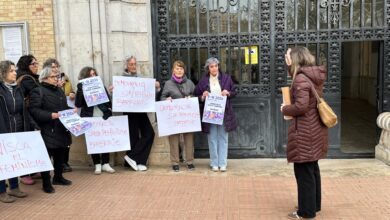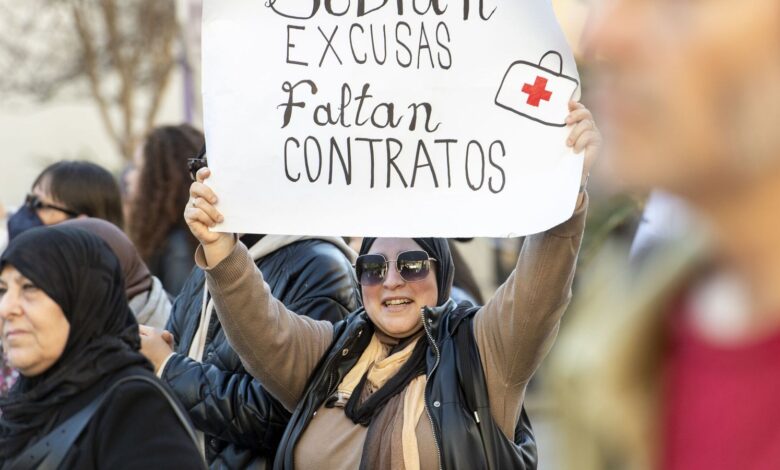
Alarm is growing in Ceuta and Melilla over the state of public healthcare facilities. According to a recent study, nearly half of Melilla residents and a third of Ceuta’s population are extremely dissatisfied with the quality of medical care. This situation impacts people’s daily lives and drives them to seek alternative solutions, which could increase spending on private services and heighten social tensions.
As reported by El Confidencial, the healthcare system in these cities is managed by the National Institute of Healthcare Management (Ingesa), which answers to Spain’s Ministry of Health. Unlike other regions where power has been transferred to autonomous governments, here all decisions are made at the state level. This creates additional challenges for local residents, who face bureaucratic hurdles and long waiting times.
Queues and access
Survey results show that most doctor visits are related to primary healthcare. In Melilla, 27% of residents see a doctor at least once a month, compared to 20% in Ceuta. However, people turn to specialists and hospitals much less frequently: more than 60% of respondents almost never use specialist services, and 75% of Ceuta residents and 84% of Melilla residents do not visit hospitals at all. The main reasons are difficulties making appointments, long queues, and a lack of resources.
Many patients report that it is becoming increasingly difficult to get an appointment with a specialist or to undergo medical examinations. Respondents believe that delays in consultations, diagnostics, and surgeries are the most frustrating aspect. In Ceuta, 66% of those surveyed negatively rate the waiting times, while in Melilla this figure stands at 59%. Residents also complain about outdated equipment and a lack of digitalization in processes.
Staff performance evaluation
Despite overall dissatisfaction with the system, attitudes towards medical staff remain positive. In Ceuta, 73% of residents highly rate the professionalism of nurses, and 76% are satisfied with how they are treated as patients. Doctors also receive good marks: 65% of respondents gave them a score higher than 7 out of 10. Figures in Melilla are similar, reflecting trust in specialists despite organizational issues.
However, administrative and organizational matters generate the most complaints. In Melilla, 41% of respondents are dissatisfied with access to doctors, and in Ceuta this rate is 30%. People face difficulties in scheduling appointments and lack sufficient information about available services. As a result, many choose not to seek help or look for alternative options.
Overall assessments and implications
The average rating of the healthcare system in Ceuta is 5.4 out of 10, while in Melilla it is 4.9. These figures reflect a balance between the positive perception of staff performance and negative attitudes towards the organization of services. According to El Confidencial, the survey was conducted via telephone interviews with 400 residents from both autonomous regions over the age of 18.
The situation in Ceuta and Melilla is reminiscent of recent cases in other regions of Spain, where issues with medical care led to numerous complaints. For example, after the recall of infant formula, several dozen cases of poisoning among infants were reported across the country, sparking widespread discussion about the quality and safety of medical services. More information about this can be found in the article on the investigation into the causes of infant hospitalizations.
In recent years, debates around modernizing public hospitals and reducing waiting times have grown increasingly common in Spain. Authorities have promised to introduce new technologies and boost funding, yet residents of Ceuta and Melilla still do not notice significant improvements. Other regions of the country are also reporting shortages of specialists and outdated equipment, underscoring the nationwide scope of the problem. The issues of accessibility and quality of healthcare remain among the most pressing for Spanish society.