The Spanish literary scene has witnessed an event that could change the perception of short fiction and the distribution of major literary prizes. Barcelona hosted the inaugural Aena de Narrativa Hispanoamericana award ceremony, where a collection of short stories—not a novel—received the €1 million prize. This decision sparked intense reactions among writers, publishers, and readers, as such substantial awards had previously only gone to authors of major novels or international bestsellers.
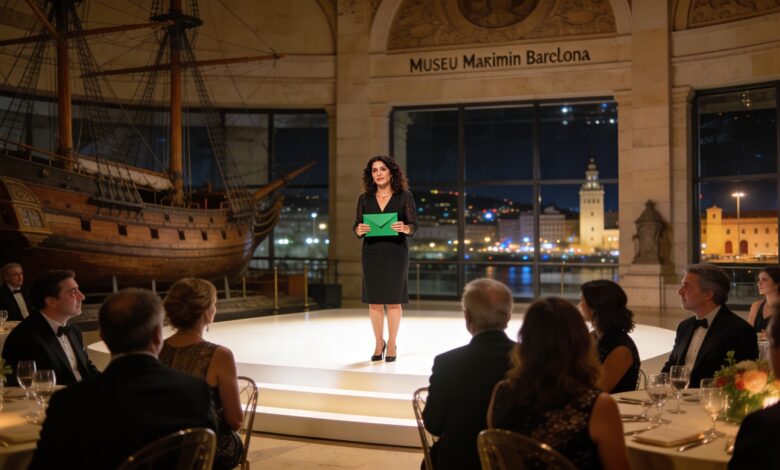
The prize, established by Aena, the company managing Spain’s airports, immediately drew attention not only for its amount, but also thanks to government backing. This year, the winner was Samanta Schweblin with her book “El buen mal” (Seix Barral), selected over four other finalists. The results were announced at a gala dinner at the Barcelona Maritime Museum, attended by representatives from government, culture, and business. As reported by El País, the ceremony atmosphere was tense, with the names of the finalists kept secret until the very last moment.
An unconventional jury choice
The jury, chaired by Rosa Montero, selected the winner from five works published in Spanish or translated into the language. The finalists were “Ahora y en la hora” (Alfaguara) by Héctor Abad Faciolince, “Marciano” (Literatura Random House) by Nona Fernández, “Los ilusionistas” (Anagrama) by Marcos Giralt Torrente, and “Canon de cámara oscura” (Seix Barral) by Enrique Vila-Matas. However, it was “El buen mal”—a collection of five stories exploring the complexities of parent-child relationships—that drew the most attention. According to Schweblin, her writing explores internal conflicts and turning points, moments when familiar principles of life are called into question.
The writer admitted that for her, this award is not just recognition but an important signal to the entire literary community. International prizes usually go to novelists and only occasionally to short fiction writers. She believes the jury’s decision is a step toward those working in the short story genre. Finalists each received €30,000, and the ceremony included discussions about the prize’s future and its impact on the literary market.
Reaction and debate
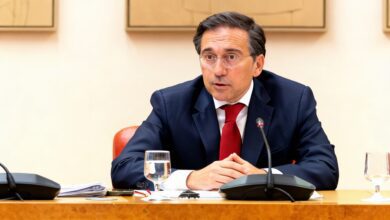
The Aena Prize has sparked lively debate within Spain’s cultural sector. The controversy centers not only on the amount of the cash award, but also the fact that the initiative comes from a state-related company. Some industry participants have raised concerns about the transparency and independence of the selection process, but organizers insist there was no ideological or publishing influence. Aena president Maurici Lucena, in his speech, emphasized that supporting culture is part of corporate social responsibility, and that involving professionals from different fields ensures an objective process.
The ceremony was attended by prominent politicians, artists, and writers, including President of Catalonia Salvador Illa, Barcelona Mayor Jaume Collboni, and Minister of Industry Jordi Hereu. The guest list also featured writers, artists, and musicians, with the venue’s design inspired by all five shortlisted books. Each finalist had a dedicated artistic piece, ranging from musical compositions to theatrical monologues and live drawings.
The future of the prize and new questions
Despite a successful launch, the future of the prize remains uncertain. The organizers have announced plans to hold the competition annually, coinciding with the Sant Jordi celebration, and to maintain the prize fund. However, much will depend on the political climate and available funding. According to russpain.com, such initiatives could shift the balance in the book market, especially if major companies begin purchasing large quantities of finalist titles for distribution in airports and educational institutions.
It is still unclear whether the jury line-up will change every year or how exactly thousands of copies will be distributed among readers. Regardless, the prize has already sparked a discussion about the role of business in supporting culture and new approaches to promoting literature in Spain.
In recent years, Spain has seen a growing interest in literary awards with substantial cash prizes. For example, the Planeta prize also regularly generates debate due to its size and selection criteria. In 2025, several regional competitions received additional funding, leading to new names emerging on the book market. Russpain.com analysis suggests that such developments boost not only sales but also discussions about genre boundaries and expand the audience for contemporary Spanish-language literature.