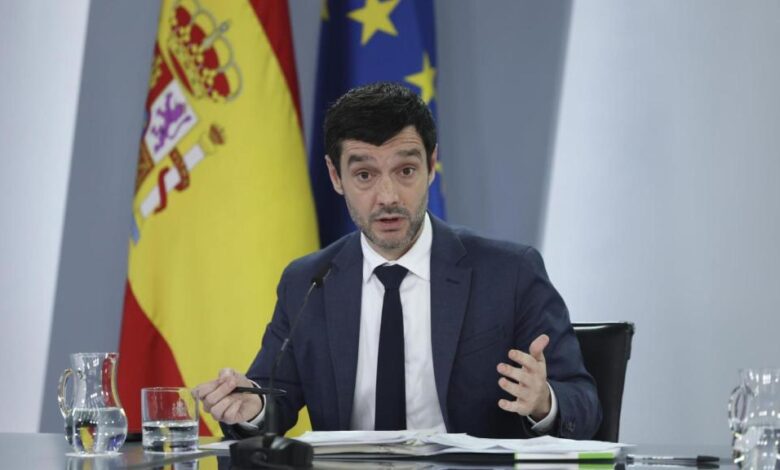
Change is brewing in Spanish politics as Pablo Bustinduy is being considered to lead a new left-wing coalition. This decision could shift the balance of power among progressive parties and alter the political landscape for many voters. As the left seeks unity, Bustinduy’s candidacy takes on special importance for the country’s future.
According to Ale Espanol, Gabriel Rufián, a representative of ERC in Congress, highlighted Bustinduy as one of the most promising left-wing politicians. In his view, it is this minister who can unite various factions and give fresh momentum to the coalition, which includes Sumar, Izquierda Unida, Más Madrid, and los Comunes. While official candidates have yet to be announced, the discussion around Bustinduy has already energized supporters of progressive ideas.
Path to leadership
Pablo Bustinduy serves as Minister for Social Affairs and is known for his active stance on civil rights issues. His experience in the European Parliament and his participation in key events of recent years have made him a prominent figure among the left. Previously associated with Podemos, Bustinduy has supported reformist initiatives, strengthening his reputation among young people and intellectuals.
At a recent meeting at Madrid’s Círculo de Bellas Artes, Bustinduy kept a low profile, giving way to other leaders, but now his name is increasingly emerging as a possible head of the new coalition. The alliance includes politicians such as Rita Maestre, Ernest Urtasun, Mónica García, Antonio Maíllo, and Lara Hernández. Despite the lack of official statements, discussion of Bustinduy’s candidacy is gaining momentum.
Experience and views
Bustinduy was born in Madrid in 1983. His parents are well-known public figures: his mother served as Minister of Health in the government of Felipe González, and his father contributed to the development of the country’s railway infrastructure. Bustinduy was educated in Spain, France, and the United States, where he taught philosophy and engaged in academic research. Upon returning to Spain, he became active in the 15-M movement and was one of the key participants in forming Podemos, although he does not consider himself a party founder.
In 2015, Bustinduy was elected as a member of parliament from Madrid and led the party’s international affairs. Internal party disagreements did not affect his influence: he supported Íñigo Errejón at the Vistalegre II congress, but remained within Podemos even after his faction’s defeat. Later, he won the primaries to participate in the European Parliament elections, but declined the mandate for personal reasons.
Return to politics
After a brief hiatus, Bustinduy once again found himself in the spotlight in 2023 when he joined the Sumar team led by Yolanda Díaz. His appointment as Minister of Social Affairs, Consumer Affairs, and 2030 Agenda was an unexpected move that strengthened the new coalition. According to Ale Espanol, Bustinduy was not included in the electoral lists, yet his role in shaping strategy proved crucial.
Today, the discussion of his candidacy as a possible leader of the united left coalition is drawing interest not only among politicians but also among ordinary citizens. As progressive forces search for new ways to unify, Bustinduy’s profile could become a symbol of change and renewal.
In recent years, Spain has repeatedly witnessed attempts to unite leftist parties to strengthen their electoral position. The creation of Unidas Podemos in 2016, for example, was a response to public demand for new forms of political representation. Later, the emergence of Sumar and other alliances showed that the quest for unity among progressive forces continues. Each new project sparks lively debates and influences the country’s political dynamics, confirming the relevance of this issue for Spanish society.