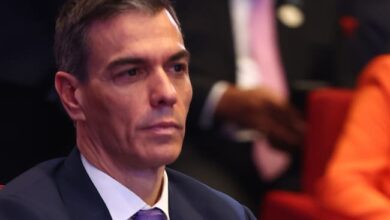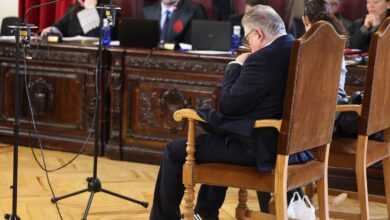
A heated debate erupted in the Spanish parliament between Prime Minister Pedro Sánchez and opposition leader Alberto Núñez Feijóo. The catalyst was a recent Supreme Court verdict against former Attorney General Álvaro García Ortiz, found guilty of disclosing confidential information related to the case of businessman Alberto González Amador, partner of Isabel Díaz Ayuso. González Amador is under investigation for tax fraud. Feijóo accused Sánchez of attempting to influence court decisions and allegedly interfering in the appeal process of the verdict.
Sánchez, in turn, emphasized that his government will always stand by the truth. He assured that the government respects the Supreme Court’s decision and expressed confidence that the situation will become clearer over time. According to the Prime Minister, Spain and Europe have reliable judicial systems that guarantee fairness and transparency.
Accusations against the government and Sánchez’s response
The leader of the Partido Popular did not hold back his emotions, claiming that Sánchez focuses on everything except his presidential duties. Feijóo recalled the recent conviction of the Attorney General and voiced doubts about the Prime Minister’s ability to govern amid scandals involving his inner circle. He also reproached Sánchez for allegedly dictating to the Supreme Court what rulings to make and advising the former prosecutor on what steps to take next.
In response, Sánchez stated that he has no intention of apologizing for his convictions. He emphasized that when faced with truth and lies, his government always chooses the former. The Prime Minister added that Spain and Europe can be proud of their judicial institutions, and that time will put everything in its place.
Debate on Democracy and Accusations of Threats to the System
Feijóo accused Sánchez of disrespecting the judiciary and said such behavior poses a danger to democracy. In his view, if the situation in the country were normal, the Prime Minister would respect judges’ decisions, work in parliament, pass budgets, and focus on real issues affecting citizens—such as housing, rising prices, migration, and poverty. The opposition leader added that Sánchez is more concerned about the fate of his associates than the interests of society.
Feijóo also posed a rhetorical question about whether the Prime Minister can govern the country without the support of people under investigation. He stressed that holding power is not just about living in a palace and controlling state media, but about being accountable to citizens.
Political Jabs and Economic Arguments
During the debate, Feijóo suggested that one day a TV series might be made about the Sánchez years, hinting at the title “Anatomy of a Fraudster” (Anatomía de un farsante), referencing a famous Spanish book and show. In response, Sánchez accused the opposition of lacking constructive proposals and highlighted his government’s achievements: record employment, economic growth, and reduced deficit and public debt.
The Prime Minister also noted that the opposition supports Isabel Díaz Ayuso unconditionally, hinting at ‘blind obedience’ within the party. In conclusion, Sánchez emphasized that his cabinet does not seek permission or forgiveness to govern the country, and that their results speak for themselves.
Questions about citizens’ lives and social policy
Continuing the discussion, members of the People’s Party addressed the government with questions about the real problems facing Spaniards. They criticized Deputy Prime Minister and Finance Minister María Jesús Montero, accusing her of worsening conditions for workers and increasing the national debt. The opposition asked whether the minister knows the cost of a basic food basket, housing rent, or fuel.
Montero responded that Spain is showing the best performance among the largest economies in the European Union. She listed successes: employment growth, deficit reduction, credit rating upgrades, fewer temporary contracts thanks to labor market reforms, as well as leadership in energy matters and the expansion of civil rights.