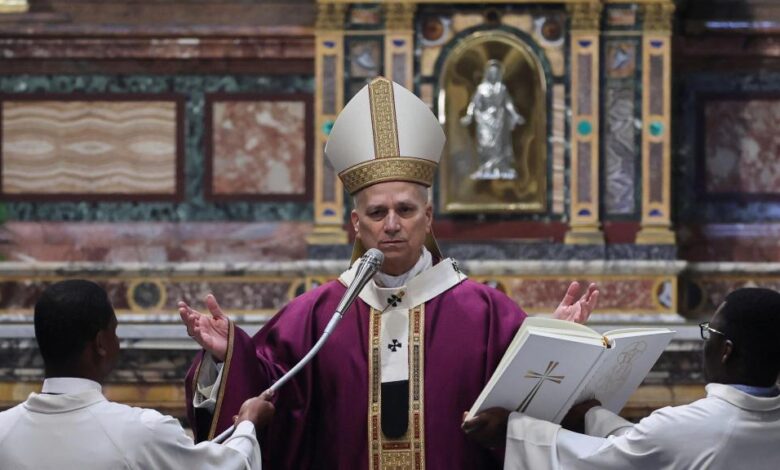
Spain is preparing for an event that could change how the country is seen on the international stage. In June 2026, Pope Leon XIV will pay an official visit for the first time in many years. His itinerary includes Madrid, Barcelona, and the Canary Islands. For Spaniards, this is more than just the arrival of the head of the Catholic Church—it’s a chance to be back in the spotlight of Europe and the world and to highlight the country’s role in religious and cultural life.
According to Ale Espanol, the pontiff’s visit will be the first in the past fifteen years. The previous papal visit to Spain was in 2011. Much has changed since then: a new generation has grown up, society’s priorities have shifted, and religious traditions have taken on new shades. Pope Francis, despite his intentions, was unable to visit Spain before his death last year. Now, Leon XIV, who has Peruvian roots and experience working in Latin America, returns to a country where he has family ties.
Key cities
The visit will include three regions, each with special significance. In Madrid, meetings with government and church officials are expected. Barcelona will host the opening of the tallest tower of the Sagrada Familia—the Tower of Jesus—with the pope in attendance. This event coincides with the centenary of architect Antoni Gaudí’s death, adding extra symbolism. The ceremony is set to gather thousands at the Montjuïc stadium, making the city the center of attention across Europe for several days.
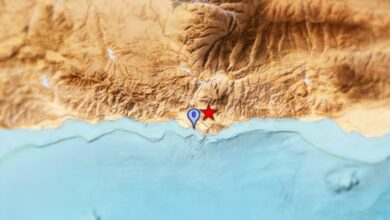
The Canary Islands were not chosen by chance. This region has long been considered a key point on the migration route from Africa to Europe. Pope Francis had planned to visit the archipelago but was unable to fulfill his intention. León XIV decided to bring this idea to life in order to draw attention to migration issues and support local communities.
Significance for the country
The pontiff’s visit may serve as a catalyst for discussions about faith, identity, and social cohesion. In Spain, where religious traditions are closely interwoven with culture, the Pope’s arrival is seen as a sign of respect and recognition. For Barcelona, the opening of the new Sagrada Familia tower is not only an architectural achievement but also a source of national pride. Local authorities are already planning large-scale events to highlight the uniqueness of the occasion.
On the Canary Islands, the Pope’s visit could draw attention to the complex migration situation. The region faces a constant flow of people seeking a better life and needs support. The presence of the head of the Catholic Church may send a message to the international community and offer hope to those in difficult circumstances.
Historical context
Pope Leon XIV is no stranger to Spain. Before his election, he had visited the country several times, traveled across various regions, and immersed himself in local traditions. His mother has Spanish roots, making this visit particularly personal. According to Ale Espanol, preparations for the trip began long before the official announcement, and the itinerary details remain confidential until the last moment.
The pontiff’s visit coincides with important dates for both the country and the Catholic Church. Leon XIV’s arrival is expected to spark widespread public debate and prompt discussions about Spain’s role in today’s world. Locals and pilgrims are already making plans for June 2026 in hopes of witnessing these historic events.
In recent years, Spain has repeatedly hosted major religious and cultural events. In 2011, Pope Benedict XVI (Benedicto XVI) held World Youth Day in Madrid, gathering hundreds of thousands of participants. Barcelona regularly hosts international congresses and festivals, and the Sagrada Familia remains one of Europe’s most visited churches. The Canary Islands find themselves in the spotlight due to the migration crisis, giving the Pope’s visit particular relevance.