The scandal in Torrejón de Ardoz affects not only the local police, but the entire city administration. The municipality’s decision not to reinstate Luis Moreno as police chief after harassment allegations has triggered open confrontation between influential politicians and law enforcement. For residents, this could signal changes in police operations and raise new questions about government transparency.
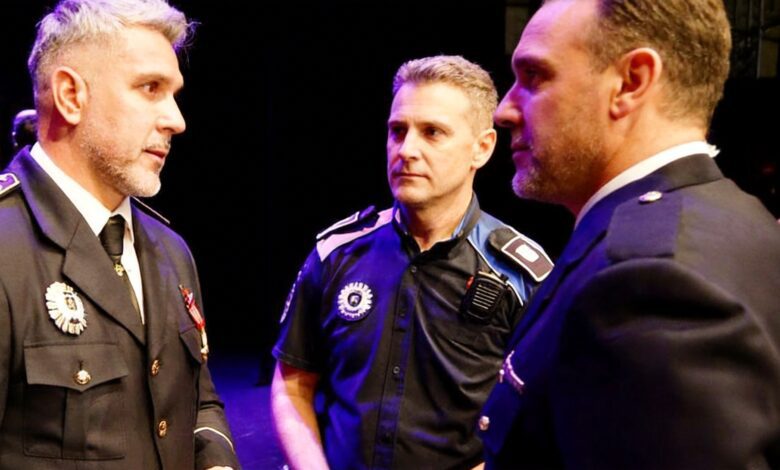
At the center of the conflict is Luis Moreno, who headed the Torrejón police from 2018 to 2025 before taking a similar post in Alcalá de Henares. His return to Torrejón proved impossible after the anti-harassment committee recommended against reinstating him. According to El Pais, this was due not only to harassment allegations, but also to tense relations with the Navarro political clan, which many believe influences key decisions in the municipality.
Internal divisions
The situation escalated after Moreno and José Luis Navarro, the deputy mayor and a long-standing figure in local politics, ended their cooperation. Their alliance, once considered unbreakable, dissolved about a year ago. After that, Moreno requested a transfer, and soon after, a harassment complaint was filed against him by a police colleague. Although the court found no grounds to issue protective measures, the municipality decided not to reinstate Moreno to his leadership position, assigning him only administrative duties.
Meanwhile, the vacant police chief position was opened for competition, sparking discontent among some police officers. They argued that, as a civil servant, Moreno would have priority for reinstatement unless there was a final court ruling. However, according to El Pais, the commission determined that administrative status does not guarantee keeping the position, and the replacement process is ongoing.
Political intrigue
Power in Torrejón has long been associated with the Navarro clan. Since 2023, the city’s mayor has been Alejandro Navarro, nephew of José Luis Navarro, and the family’s influence extends into regional politics. The recent appointment of the mayor’s wife, Ainhoa García, as deputy speaker in the Madrid Assembly has fueled further discussion about family ties and the possibility of a clientelist network.
In a city of over 140,000 residents, suspicions over lack of transparency in job competitions, licensing, and other administrative procedures are a regular occurrence. According to El Pais, investigations into these issues have been ongoing for years, many involving members of the Navarro clan. As a result, each new conflict in the municipality is viewed as part of a wider struggle for control over resources and influence.
Reaction and consequences
The decision not to reinstate Moreno as commander sparked mixed reactions. In Alcala de Henares, where he had worked until recently, the city hall saw no obstacles to his continued service pending a final court decision. However, the situation in Torrejon is unfolding differently: concerns about possible pressure and internal conflict have outweighed the presumption of innocence.
A complaint against Moreno was filed in February 2025, when a police colleague requested protection and the removal of the former commander’s service weapon. However, the prosecutor and court found insufficient grounds for such measures, as the last contact between the parties dated back to 2023 and there was no evidence of threats. Still, the administrative decisions by the municipality were stricter than those made by the court.
Context and similar cases
In recent years, there has been a rise in internal conflicts within Spanish municipalities, leading to high-profile scandals and legal proceedings. In Valencia and Zaragoza, similar cases involving allegations of harassment and power struggles for key positions in the police or administration have resulted in lengthy investigations and changes in leadership. Such situations often spark debates about government transparency and the need for reforms in the appointment system for public office. According to russpain.com, these conflicts can affect not only individual cities but also undermine trust in national institutions.