A new political conflict is flaring up in Spain, one that could affect the daily lives of thousands of women and change the country’s approach to security and integration. The two largest right-wing blocs, Partido Popular (PP) and Vox, are showing rare unity by backing an initiative to ban the burqa and niqab in public spaces. This move has already sparked lively debates in society and parliament, as it touches not just on religious freedoms but also on the principles of equality and security.
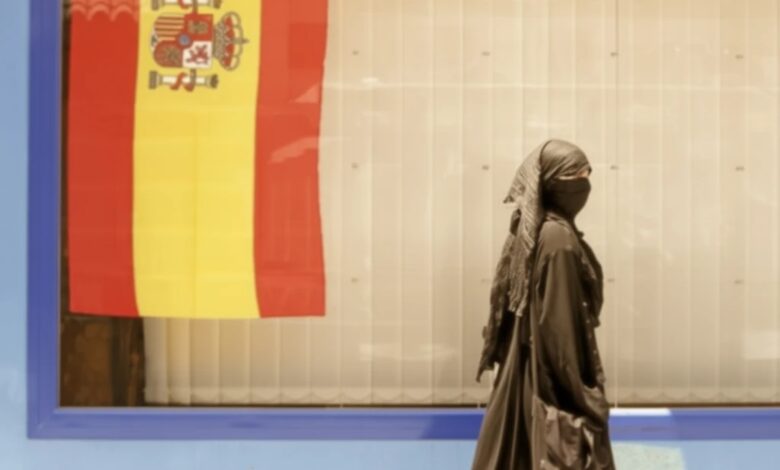
The core of the initiative is a complete ban on wearing the burqa and niqab—traditional Islamic garments that cover a woman’s face and body—in any public spaces. The authors of the bill emphasize that it does not concern the hijab, which only covers the hair, but specifically targets clothing that makes a woman “invisible” to those around her. Supporters of the ban argue that such practices contradict European values and can pose a risk to public safety.
Rare show of unity
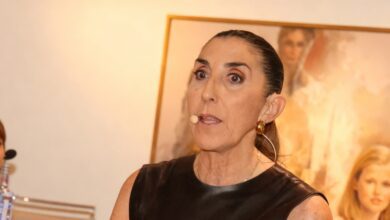
For the first time in a long while, PP and Vox have presented a united front, catching many observers by surprise. PP leader Alberto Núñez Feijóo and his representative in Congress, Ester Muñoz, have openly voiced their support for Vox’s initiative. According to them, this move shows that the parties can find common ground on key issues despite their disagreements in other areas.
Heated debates have already begun in parliament. Some factions, such as Junts, previously expressed support for such measures, increasing the chances that the bill will pass. At the same time, the opposition points to the risks of discrimination and restrictions on religious freedoms, as well as potential consequences for the integration of Muslim communities.
Fines and penalties
The draft law proposes not only to ban the wearing of the burqa and niqab but also to introduce serious sanctions for those who force women to wear them. For coercion involving violence or threats, criminal liability is proposed—ranging from one and a half to three years of imprisonment. If minors or women in vulnerable situations are involved, the sentence may be increased to four years.
Women themselves who appear in a burqa or niqab in public places face administrative fines. Amounts range from €600 for a first offense to €30,000 in the case of repeated violations. The authors of the initiative emphasize that the goal is not punishment but the protection of women’s rights and dignity, as well as ensuring safety on the streets and in public institutions.
Arguments from both sides
Supporters of the ban argue that the burqa and niqab are not just religious traditions, but instruments used to isolate and subordinate women. In their view, such practices are incompatible with the principles of equality and an open society. Moreover, covering the face complicates identification, which can pose risks to public order.
Opponents of the law believe that such measures will marginalize Muslim women and increase social tension. They argue that the ban may be perceived as an attack on religious freedom and lead to growing mistrust between different segments of the population. The question of where to draw the line between protecting rights and restricting freedoms remains unresolved.
In recent years, similar laws have been repeatedly debated and adopted across Europe. France, Belgium, and some regions of Germany have already imposed restrictions on wearing face-covering garments in public spaces. These measures sparked mass protests and legal battles, but ultimately became part of the law. In Spain, such initiatives have previously been discussed at the regional level, but have not yet been implemented nationwide. The new bill could set a precedent and shift the balance between freedom of religion and public safety requirements.