In the coming days, millions of Spaniards will face severe travel restrictions as train operators launch a major strike affecting all key routes across the country. The action was triggered by demands for improved safety measures, a review of current regulations, and dissatisfaction with working conditions and management decisions. The introduction of minimum service levels has failed to resolve the issue—in fact, it has sparked a new wave of criticism from unions.
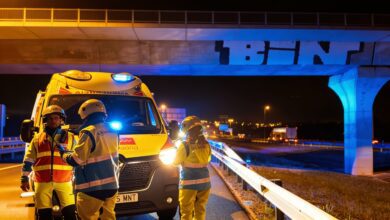
Tensions in the railway sector have intensified following recent accidents on the Adamuz and Gelida lines, once again raising doubts about the reliability of the system and the effectiveness of its management. The three-day strike covers all sectors, from commuter trains to high-speed routes and freight transport. The Ministry of Transport has been forced to urgently establish a list of minimum services to at least meet the basic mobility needs of the population.
Causes of the conflict
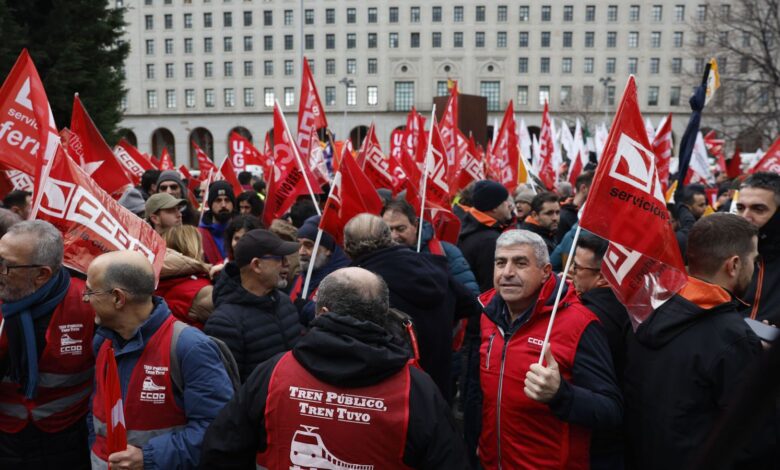
The main driving force behind the protests was the Sindicato Español de Maquinistas Ferroviarios (Semaf), quickly joined by other major railway workers’ unions, including CCOO, UGT, SFF-CGT, Sindicato Ferroviario Intersindical, and Alferro. They are demanding not only an immediate upgrade of safety standards but also a thorough overhaul of the regulatory framework governing railway operations.
The unions emphasize that the existing regulations do not reflect real risks and fail to provide adequate protection for either employees or passengers. Additionally, workers express dissatisfaction with changes to schedules and working conditions, which they say were implemented without sufficient discussion or consideration of staff opinion.
Minimum services and public response
The Ministry of Transport announced the introduction of minimum services during the strike period to prevent a total paralysis of the transport system. However, the unions consider these measures excessive and unfair, calling them an ‘abuse’ and pointing out that they essentially deprive workers of their right to protest.
Passengers have already faced train cancellations and delays, especially on the Madrid–Barcelona route and in regions with high traffic density. Many are forced to look for alternative travel options, which puts additional pressure on bus routes and highways.
Negotiations and outlook
Talks between union representatives and the Ministry of Transport are ongoing, but so far both sides remain far from reaching a compromise. Workers insist on a deeper examination of safety and maintenance issues, and are also demanding a revision of policies toward personnel.
In its latest statement, Semaf notes that the discussion has become more substantive, yet key issues remain unresolved. The strike will last at least until Wednesday, February 11, and if the parties fail to reach an agreement, further protests and a hardening of positions cannot be ruled out.
Connection to previous events
Recent transport disruptions in Catalonia have already exposed the system’s vulnerability during crisis situations. RUSSPAIN.COM previously provided an in-depth analysis of the consequences of the partial restoration of rail services and the resulting overload of regional bus routes. At the time, passengers faced delays and uncertainty, and authorities promised a prompt solution. More details on how the situation in Catalonia developed can be found in the article transport crisis.
Context and consequences
In recent years, Spain has repeatedly faced strikes in the transport sector, each one causing significant disruptions to railways and other forms of public transit. Such actions are usually marked by mass cancellations of services, longer waiting times, and growing social tension. In 2024, a similar train drivers’ strike already paralyzed traffic on several key routes, and in 2025, protests by Madrid metro workers led to prolonged schedule disruptions. These events highlight the pressing issue of balancing workers’ rights with the need to maintain the stable operation of the country’s transport system.