Spain is once again discussing the work of Salvador Dalí: an exhibition has opened in his hometown of Figueres, showcasing a unique folding screen created by the artist in his youth—on public display for the first time in years. This event is significant for the country’s cultural scene, as it features a rare piece that long remained out of the public eye. The exhibition not only draws attention to Dalí’s early period but also offers a new perspective on his exploration of decorative art.
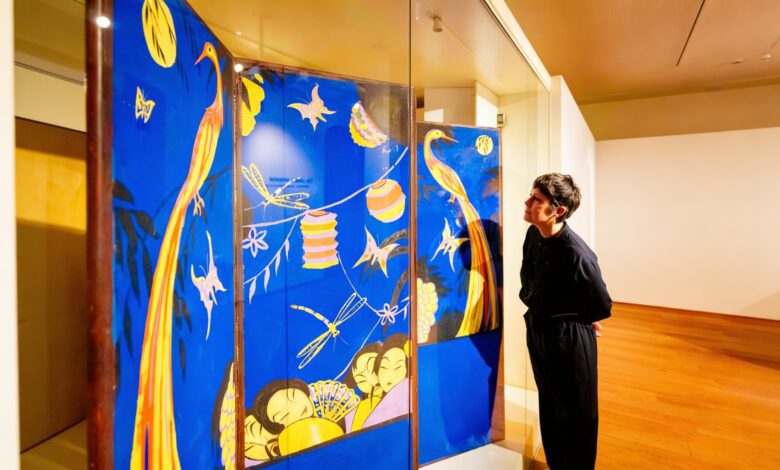
Created in the early 1920s, the piece is a painted folding screen depicting scenes with Chinese motifs: men and women with fans, a night celebration, exotic animals, and vibrant lanterns. According to El Pais, Dalí produced the screen at just 19 years old, marking one of his first forays into Eastern themes. The work features vivid shades of blue, reminiscent of the sea near the coast of Cadaqués, along with festive details inspired by a celebratory atmosphere.
The story of the discovery
For many years, the folding screen was kept by the artist’s sister in a house in Cadaqués, before joining the collection of Joan Abelló, a well-known collector from Mollet del Vallès. Only in 2024 did the Spanish Ministry of Culture acquire the work at auction and send it for restoration to the Reina Sofia National Art Center Museum. After restoration, the screen was transferred to Casa Natal Salvador Dalí de Figueres, where the artist spent his childhood. It is now the centerpiece of the exhibition ‘Un sueño oriental. Exotismo y modernidad en el joven Dalí,’ which will run until mid-September.
Previously, the screen had only been displayed once in Catalonia—at the 2013 exhibition ‘Japonismo. La fascinación por el arte japonés,’ and later in Madrid in 2014. Experts note that the piece stands out for its unusual format and combination of techniques: the main section was painted in gouache, while the brown elements were added later in acrylic, as confirmed by restoration analysis.
Influences and context
The biombo reflects Dalí’s early experiments with various artistic styles and materials. It draws parallels with other works from that period, where he used vibrant colors and tempera. Eastern influences were present in early 20th-century Figueres, in part due to touring performers such as Carmen Tórtola Valencia, whose shows Dalí attended with his father. These experiences are evident in the screen’s distinctive iconography, blending exotic elements with local motifs.
Exhibition organizers emphasize that the temporary return of the work to Dalí’s hometown offers a deeper understanding of his creative pursuits and fascination with Eastern aesthetics. The exhibition is accompanied by videos documenting the restoration, as well as rare photographs showing the screen’s creation and its place in the family home. Some images are being published for the first time and are of particular value to researchers.
New discoveries
Additional events are planned around the exhibition, including lectures, a catalog presentation, and meetings with experts. According to El Pais, such projects help expand the museum narrative about the early stages of Dali’s career and make little-known facts about his biography accessible to a wider audience. Special attention is given to how international art movements made their way into Catalonia and influenced the formation of new styles.
In recent years, interest in the early works of renowned artists has grown significantly. In Spain, exhibitions dedicated to little-known works by Picasso, Miró, and other masters are regularly held—pieces that were once in private collections or considered lost. These events not only enrich the country’s cultural life but also open new chapters in art history, offering fresh perspectives on familiar names.