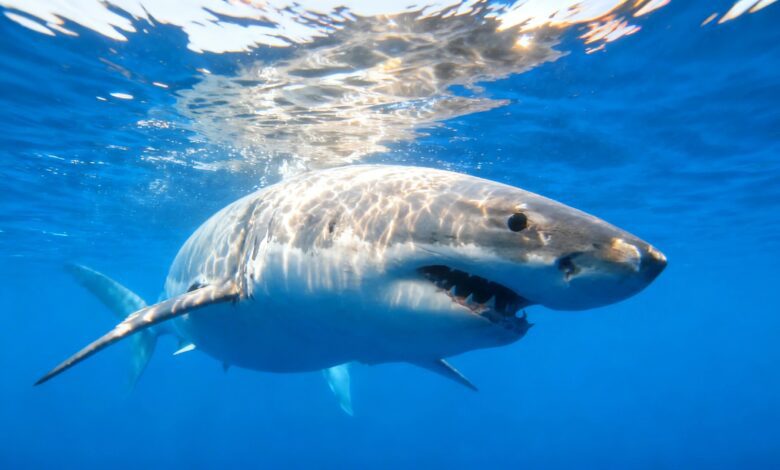
The appearance of a great white shark (Carcharodon carcharias) in Spanish waters could mark a turning point for the entire Mediterranean ecosystem. For Spain, this is not just a rare encounter with a marine predator, but a signal of changes that could affect the fishing industry, tourism, and conservation programs. The sighting of a young individual in April 2023 has sparked new scientific discussions and prompted a reassessment of marine preservation strategies.
In recent decades, the great white shark was considered nearly extinct in the region. However, a chance catch off the coast of Alicante brought renewed attention to the fate of the species. The animal, weighing around 90 kilograms and just over two meters long, turned out to be too young to be an adult, raising questions among experts about possible breeding grounds in Spanish waters. Such findings may suggest that the Mediterranean Sea plays a more significant role in the shark’s life than previously thought.
Impact on the ecosystem
The great white shark sits at the top of the food chain and regulates the numbers of other marine inhabitants. Its presence can alter the balance within ecosystems, affecting populations of tuna, sea turtles, and even the state of seagrass meadows. Scientists note that such changes can have lasting consequences for water quality, biodiversity, and even carbon balance in coastal areas.
Despite its fearsome reputation, the great white shark rarely poses a threat to humans. Contrary to its image in films, it does not hunt swimmers and tends to stay away from the shoreline. Nevertheless, sightings of this shark attract the attention of fishermen, biologists, and authorities, who are now forced to consider new risks and opportunities for the development of marine tourism and fishing.
Declining Population
Over the past 150 years, the population of great white sharks in the Mediterranean has nearly halved. International organizations have added the species to the list of especially vulnerable animals, and Spain has tightened regulations regarding its capture and monitoring. From 1986 to 2001, there were 62 recorded encounters with this predator in Spanish waters, but in recent years, these numbers have dropped sharply, especially around the Balearic Islands (Islas Baleares).
The reasons for this decline include intensive fishing, pollution, and climate change. The great white shark is notable for its long lifespan—up to 73 years—but reproduces slowly, making it particularly vulnerable to external threats. Scientists emphasize that every new encounter with this species provides valuable information for assessing the state of the marine environment.
Questions for Science
The appearance of a young shark in Spanish waters presents new challenges for researchers. It is possible that there are unknown breeding areas in the region that previously escaped the attention of experts. The link between the shark’s migration and the movement of tuna from the Atlantic also remains an open question, which could explain the predator’s presence at certain times of year.
While scientists continue to analyze the collected data, fishermen and local residents remain both cautious and interested. Close cooperation between the scientific community and maritime professionals is becoming a key element in maintaining a balance between economic interests and environmental protection.
Context and latest developments
In recent years, isolated incidents involving large predators, including sharks and rays, have been recorded in the Mediterranean Sea, linked to changes in temperatures and migration routes. In 2021, a great white shark was also spotted off the coast of Italy, sparking a wave of discussion among European specialists. Such events highlight the need for international collaboration in monitoring and protecting marine species. In Spain, programs to track rare marine life are being further developed with the aim of responding swiftly to ecosystem changes and preventing potential threats to biodiversity.