Spain is embroiled in a debate over the future of religious education in schools. The issue concerns not only curricula but also the balance between the state and the church. Decisions taken by parliament could affect the schedules of millions of students and change the approach to teaching religion in the country.
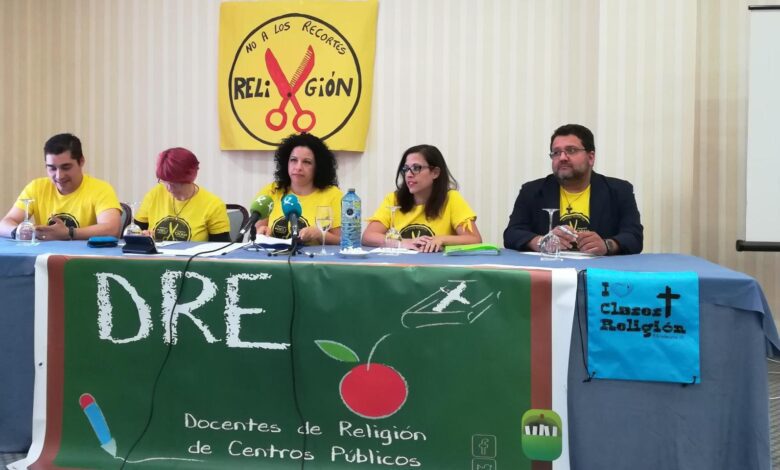
Nearly 70 organizations, united under the Escuela Laica platform, have called for removing “Religion” as a mandatory subject from class schedules. They are demanding a review of the agreements with the Vatican signed in 1979 and insist that the teaching of religion—of any denomination—should be exclusively extracurricular. They believe this would free up time for other subjects and reduce the church’s influence on education.
Political background
The debate intensified following statements by Prime Minister Pedro Sánchez, who once again raised the issue of secularism and distancing the church from politics. In December, he responded sharply to comments made by the head of the Spanish Bishops’ Conference, Luis Argüello, emphasizing that the era of clergy intervention in state affairs ended with the advent of democracy.
At the same time, according to a recent CIS survey, there has been an unexpected rise in the number of believers among young people. In the 18–24 age group, the share of those who identify as religious increased from 33.9% in 2021 to 38.5% in 2025. Among Spaniards aged 25–34, there was also growth—from 35% to 37.9%. Despite the ongoing secularization of society, this trend has surprised many experts.
Data and trends
Interestingly, the rise in religiosity among young people has not led to increased popularity of religious studies in schools. According to Escuela Laica, over the past ten years the number of students attending these classes has dropped from 3.5 to 2.9 million. At the same time, the number of teachers grew from 25,000 to 36,000. Official statistics from the Ministry of Education for the 2023–2024 academic year confirm this decline: 55.1% of primary school students choose religion, compared to 83.3% in the early 2000s. In secondary school (ESO), the share fell from 63.7% to 51%, and in upper grades (Bachillerato), it remains at 31%.
Differences are also evident between types of schools. In public institutions, most students do not choose religious studies, while in private and subsidized schools, over 80% continue to attend these classes. In regions such as Andalucía, Castilla-La Mancha, Castilla y León, Extremadura, and Murcia, religious education remains popular, especially in primary and secondary schools. In Catalonia and the Basque Country, however, the majority of students opt out of this subject, particularly in public schools. There is also noticeable interest in Islamic religious education in Ceuta and Melilla.
Legislative initiatives
Against this backdrop, the political parties Sumar and Compromís have introduced a proposal in Congress calling for the urgent adoption of a decree that would move religion classes to extracurricular hours in all schools, including private and subsidized institutions. The initiative also suggests creating a ‘White Book’ on secularism in the education system. Sumar has confirmed its intention to promote these measures, but notes that the details are still under discussion.
If the initiative goes forward, the alternative subject for those who do not attend religion classes will also be eliminated. This would free up hours for mathematics, language, or support for students with special educational needs. However, such changes would require amending the LOMLOE organic law, which could delay the process.
Financial aspect
Meanwhile, as reforms are debated, the Catholic Church is recording record levels of funding: the latest campaign to collect tax allocations for religious purposes totaled 429.3 million euros—12% more than the previous year. Nearly eight million taxpayers selected this option on their declarations. This underscores that, despite declining interest in religious education in schools, the Church continues to wield significant influence in society.
In recent years, Spain has already faced attempts to reform religious education. For example, in 2020, the status of the subject was discussed as part of a new educational reform, and in some regions, steps were taken to reduce the number of hours dedicated to religion in school schedules. However, none of these initiatives resulted in the complete removal of the subject from the mandatory curriculum. Other European countries are also debating the role of religion in schools, with decisions often depending on the political climate and public sentiment.