In the very heart of Madrid, one of the city’s most iconic symbols—San Miguel Market (Mercado de San Miguel)—has suddenly disappeared. Since January 7, its doors have been closed to visitors, and inside, only the sounds of construction break the silence. The reason is an extensive renovation project aimed at preserving the building’s historical heritage and preparing it for future generations. No reopening date has been announced, fueling both curiosity and concern among locals and tourists alike.
The market, where the aromas of fresh seafood, crunchy baguettes, and fine cheeses blended daily, now feels like a ghost of itself. More than twenty culinary stalls—offering everything from signature tapas to traditional Spanish desserts—have temporarily shut down. The owners insist this pause is vital to preserve the building’s unique atmosphere and architecture, which has long become part of the city’s collective memory.
Historical background
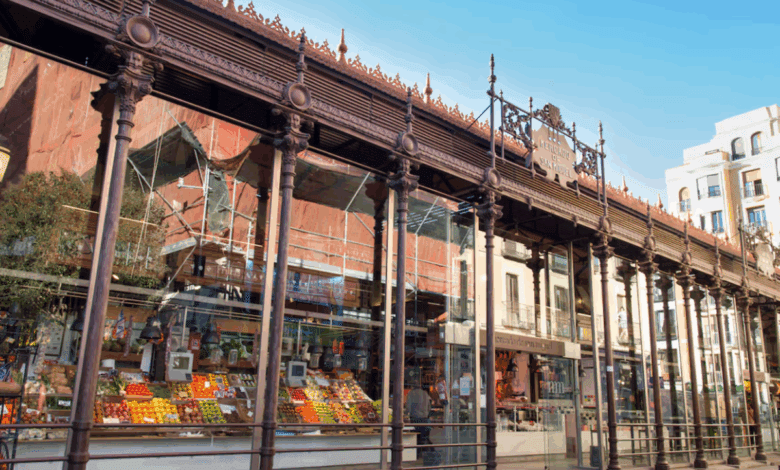
San Miguel is more than just a market—it’s a monument of its era. Its iron structure, erected in 1916, stands out against the stone facades of central Madrid. Over more than a century, the building has endured many changes: from an ordinary market to a legendary gastronomic destination that welcomes millions of tourists each year. In 2009, a new era began here, turning the market into a magnet for gourmets and lovers of Spanish cuisine.
However, behind the façade of success, there were hidden problems as well. In 2018, San Miguel had already closed for extensive renovations, and in 2023, it was forced to suspend operations for a day due to identified structural risks. That was when work began to reinforce the metal elements, which continued in the following years. Throughout this time, the market remained in the spotlight—both for locals and for investors.
Reasons and plans
The official reason for the closure is the preservation of cultural heritage. But behind the scenes, another motive is being discussed: the market’s owners have long been planning to expand commercial space. The project includes deepening the basement and increasing the total area by almost 170 square meters. Although such work is formally prohibited on heritage sites, a legal loophole allowed the city authorities to grant approval.
This move sparked mixed reactions. On the one hand, expansion promises new opportunities for businesses and visitors. On the other, it raises concerns among heritage advocates, who fear a loss of authenticity. Still, market representatives prefer not to go into details, limiting their comments to promises of a swift return to business as usual.
A gastronomic magnet
San Miguel has long been an integral part of Europe’s gastronomic scene. Here, you could find both tourists and discerning Madrileños in search of top-quality products and signature dishes. Among the market’s residents are Michelin-starred chefs like Jordi Roca and Rodrigo de la Calle, as well as renowned restaurant groups. Every corner of the space was alive with energy, laughter, and unforgettable aromas.
Now, with its doors closed, the city seems to have lost one of its key culinary hearts. Tourists are having to change their routes, while locals search for new spots to gather and savor flavors. The question in the air: what will the market be like after renovations? Will it retain its spirit, or become just another commercial venture?
A Future in Question
While officials offer only vague statements about a reopening, debates over the market’s fate are raging in Madrid. Some hope the unique ambiance will return; others fear restoration will strip away its character. One thing is certain: San Miguel is more than just a building—it’s part of the city’s identity, and its closure has been a real shock for the capital.
No one can yet say when the market will reopen. But anticipation is only fueling interest—and perhaps that is exactly what will secure its future success.