The sharp escalation in the Middle East directly impacts Spain’s interests. Decisions made in Madrid affect not only foreign policy but also the country’s security and relations with key allies. As military actions threaten European bases and create new risks, the government’s stance is coming under close scrutiny.
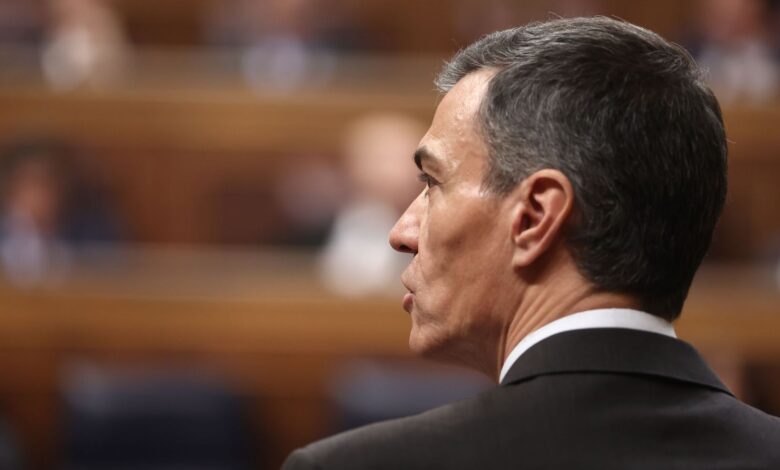
According to El confidencial, Prime Minister Pedro Sánchez has officially asked Congress for permission to address the deputies. He intends to clarify Spain’s position on the regional conflict in detail and outline the next steps in foreign policy. This move follows recent Israeli and US strikes in Iran, which have triggered a wave of new attacks and instability in the region.
Immediately after the attack on Iranian military infrastructure, Madrid expressed disagreement with the escalation and refused to grant US forces access to the Rota and Morón bases for operations. This decision sparked debate among politicians and experts, as Spain had previously actively supported its NATO allies. Now, however, the focus is shifting toward protecting national interests and seeking a balance between international commitments and domestic security.
Military measures and diplomacy
Despite being denied access to military facilities, the Spanish government decided to send a frigate to the coast of Cyprus. This move was coordinated with France and Greece after an Iranian drone attacked a British base on the island. Spain’s participation in this joint mission with European partners highlights Madrid’s commitment to collective security, but also raises questions about the country’s level of involvement in regional conflicts.
Within the country, the government’s actions sparked lively debate. Opposition leader Alberto Núñez Feijóo accused Sánchez of inconsistency, recalling his previous anti-war statements and simultaneous contacts with US officials. Such accusations have already been discussed in parliament, and a recent article on RUSSPAIN.COM noted that European delegations do not always find common ground with Spanish authorities, which affects the country’s image on the international stage. For more on how European bodies reacted to Madrid’s actions, see the article on how the EU delegation failed to meet with Sánchez.
Consequences for foreign policy
Pedro Sánchez plans to use the upcoming meeting with deputies not only to discuss the situation in the Middle East but also to brief them on the outcomes of the recent European Council session held at Alden Biesen Castle in Belgium. Security, migration, and coordination within the EU are becoming increasingly relevant amid new challenges. As El Confidencial reports, the government seeks to demonstrate transparency and a willingness to engage in dialogue with parliament on key foreign policy issues.
Decisions made in Madrid could impact relations with NATO and EU allies. Refusing to provide military bases for US and Israeli operations may be seen as a signal of pursuing greater autonomy. At the same time, participation in joint missions with France and Greece highlights a commitment to collective security. Domestic debates around these decisions are ongoing, and each new government statement sparks broad public response.
Context and recent developments
In recent years, Spain has repeatedly faced the challenge of balancing allied commitments with national interests. During previous crises related to military operations in other regions, Madrid also made decisions that sparked debate both domestically and internationally. For example, in 2024, there was a discussion about expanding the military presence in the south of the country, and in 2025, Spain took part in negotiations to strengthen European defense. Such situations demonstrate that foreign policy challenges require flexibility and a constant search for compromise.
Events in the Middle East continue to unfold, and every new decision by the Spanish government draws close attention both at home and among international partners. Security issues, participation in international missions, and cooperation with allies remain at the heart of public and political debate.