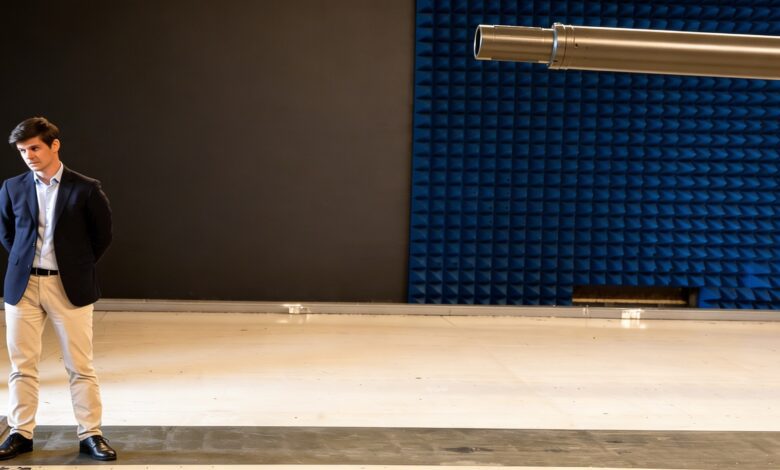
A battle for key defense contracts is heating up in Spain, directly impacting the future of the national industry and domestic employment. Santa Bárbara Sistemas, one of the largest military equipment manufacturers, has openly declared its ambitions to secure new Ministry of Defense contracts for armored vehicle upgrades. Against the backdrop of recent changes in Indra’s management and disputes over how billion-euro orders are distributed, the situation has taken on particular urgency for the entire sector.
As El Pais reports, Santa Bárbara’s plant in Alcalá de Guadaíra (Seville) hosted a large-scale presentation that brought together hundreds of employees and industry representatives. Company management highlighted the plant’s unique capacities for repairing and modernizing equipment built over recent decades. According to their statements, the facility can quickly return even outdated vehicles to service—an especially crucial capability as Europe’s defense demands continue to rise.
Contracts and Competition
At the beginning of the year, Santa Bárbara announced plans to challenge last year’s tender results in the Supreme Court, after Indra and Escribano Mechanical & Engineering were awarded contracts worth over 7 billion euros. Santa Bárbara representatives argue that government decisions gave their competitors an advantage, and insist on the need for transparency and a level playing field for all market participants.
At the same time, despite rising tensions, the company’s CEO emphasized a willingness to cooperate with other sector players, including Indra. He noted that for the successful development of Spain’s defense industry, it is important to combine efforts and leverage the strengths of each enterprise. However, Santa Bárbara management chose not to elaborate on the details of the conflict with Indra, focusing instead on their own production plans.
Investment and Jobs
Santa Bárbara Sistemas, a subsidiary of the American group General Dynamics Corporation, employs 1,200 people and generates annual sales of over €400 million. Over the next three years, the company plans to invest €25 million in expanding its plant in Sevilla, which will increase the output of electrical and electronic systems for armored vehicles. According to management estimates, if the facility secures the contract to upgrade Leopardo 2E tanks, staff numbers at the plant could rise by over 200, and the number of indirect jobs could exceed a thousand.
The Sevilla plant currently produces about 100 modernized vehicles per year, while the plant in Asturias supplies European armies with 300 units annually. If the company succeeds in new tenders, these figures could grow significantly, providing an additional boost to the region’s industry.
Market and Prospects
In recent years, interest in defense products has grown noticeably across Europe amid conflicts in Ukraine and the Middle East. According to representatives of Santa Bárbara, this has led to increased budgets and created more stable conditions for investment and technological development. However, despite the overall market growth, the company’s share of state contracts remains modest: out of €34 billion allocated for the first phase of rearmament through 2037, Santa Bárbara has received only €263 million for upgrading the Pizarro vehicles.
The Seville plant modernizes and services not only Leopardo tanks, but also other vehicles, including the Pizarro and Castor, as well as artillery systems for Spain, Estonia and the United Kingdom. If the company wins the new Leopardo 2E tender, it promises to expand production and create additional jobs, which could become a significant factor for Andalusia’s economy.
Speed and localization
One of Santa Bárbara’s main advantages is its ability to quickly launch projects and secure financing. Within three months of signing the Pizarro modernization contract, the company had already invested €30 million, with most funds supporting national suppliers. This approach not only accelerates order fulfillment but also promotes related industries within the country.
In recent years, issues of localizing production and supporting national enterprises in strategic sectors have been increasingly discussed in Spain. Decisions by the Ministry of Defense regarding the allocation of major contracts have drawn public and political attention, as they impact not only technological development but also regional employment.
Recent years have seen a rise in large defense tenders across Europe, focused on modernizing armored vehicles and artillery. In Germany and France, competition among national producers for government contracts has intensified. In 2025, similar disputes arose over tank upgrade contracts in Poland and Italy, where local companies challenged the authorities’ decisions in court. These developments reflect a broader trend toward heightened competition and stricter transparency requirements in the defense sector.