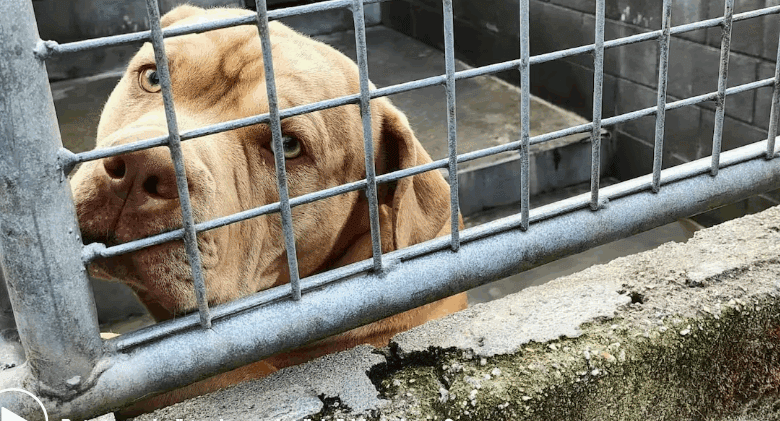
A conflict erupted at the Bando shelter (Santiago de Compostela) after a young dog named Gosu was euthanized following a decision by the shelter’s board of trustees. The animal, deemed to require special care, had spent nearly a year at the shelter before its fate was finally decided. The event sparked a strong reaction among animal rights activists, who believe not all possible methods of rehabilitation were explored.
Gosu, previously known as Dodo, ended up at the shelter after being found on the street in late 2024. The dog was given to a person who could not prove ownership, as the animal had no microchip. In September 2025, an incident occurred: the dog bit an acquaintance of this person, after which it was placed in the shelter’s isolation unit. During Gosu’s stay at Bando, he attacked staff twice; in one case, medical attention was required for the victim.
The shelter’s board of trustees considered the fate of three dogs deemed potentially dangerous. Two were given a chance at rehabilitation, but Gosu received a negative verdict: animal behavior specialists and veterinarians concluded that safe containment was impossible. Despite efforts by one animal welfare organization to secure the dog’s transfer to work with a private canine trainer, the decision for euthanasia was made and carried out just hours before the possible transfer.
Public reaction and new demands
After Gosu’s death, activists held a protest at the shelter gates and launched a special platform to draw attention to the issue. They are demanding a review of animal welfare protocols for those in difficult situations and insist on an independent investigation, including DNA testing and an autopsy. In their view, not all alternatives provided by law were exhausted in Gosu’s case, and the decision about his fate was made without properly considering rehabilitation options.
The shelter notes that they do not have sufficient resources for individualized work with such animals. Most funding comes from the municipal budget, and the team of specialists is limited. According to them, all final decisions are always based on professional evaluations, not the personal preferences of the council members.
Possible consequences for the shelter system
The scandal surrounding Gosu’s death could become a turning point for revising the entire approach to handling difficult animals in shelters across Galicia and other regions. Animal rights advocates are already preparing lawsuits to determine exactly who authorized the euthanasia and on what grounds. They are insisting on new protocols that would give even the most challenging cases a chance, if rehabilitation is possible.
Gosu’s story has sparked a widespread debate about the balance between public safety and animal rights. In the coming months, the case is expected to go to court, and there may be changes to regional laws regulating shelters and the handling of potentially dangerous animals.