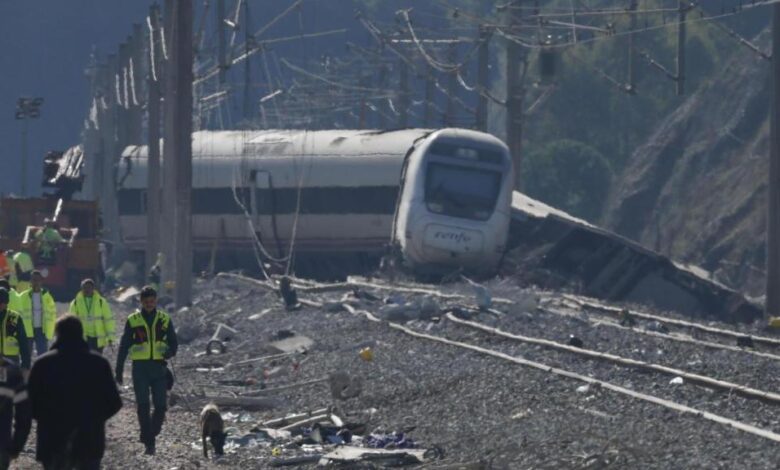
Spain is witnessing one of the most significant transport scandals in recent years. After the railway disaster in Adamuz (Córdoba), where Iryo and Alvia trains collided, the SEMAF train drivers’ union has taken an unprecedented step. The organization has officially announced its intention to act as a plaintiff in court to personally seek criminal liability for those responsible. The tragedy claimed the lives of at least 45 people, and dozens were injured. Questions directed at railway companies and government agencies are multiplying by the day.
Events are unfolding rapidly. Alongside SEMAF, further organizations such as Hazte Oír and Liberum have entered the case. The latter is directly accusing three senior officials — from Adif and the State Transport Safety Agency — of serious crimes, including manslaughter and violation of workers’ rights. The spotlight is now on not only the technical causes of the crash, but also potential negligence at the highest level.
The investigation and allegations
The first results of the investigation have proved shocking. The Railway Accident Investigation Committee (CIAF), in its preliminary report, pointed to a critical malfunction: a broken section of track was found at the derailment site. It was here that the Iryo train lost control, and moments later Alvia collided with it. SEMAF, not waiting for the official results, announced a general strike among train drivers, demanding not only accountability for those at fault but also transparency in the investigation.
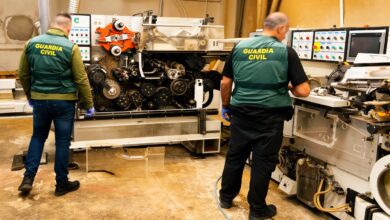
At the same time, the court in Montoro (Juzgado de Instrucción número 2 de Montoro) has already begun interrogations and is reviewing materials provided by the Guardia Civil. Their initial report contains details that could shift the course of the case. Hazte Oír has filed a complaint alleging possible negligence, while Liberum is demanding that specific individuals be held accountable: the director of the State Transport Safety Agency, Adif’s safety director, and the deputy director for high-speed operations at the same company.
An inside perspective
Tension is rising within the rail sector. SEMAF insists that objectivity cannot be achieved without union participation in the proceedings. In their view, only an independent stance by the train drivers can uncover the true causes of the tragedy and prevent the case from being covered up. Meanwhile, representatives of Adif and state agencies are refraining from public comment, further fueling public suspicion.
Questions about the technical condition of the tracks and quality of infrastructure oversight are growing louder. The CIAF report points to clear signs of wear and a lack of timely repairs. This puts not only individual employees but the entire management system of Spain’s railway sector into question. Nonetheless, so far, none of the leadership has taken responsibility for what happened.
Public outcry
The tragedy in Adamuz has sparked a wave of outrage across the country. Relatives of the victims and the injured are demanding justice, while social organizations insist on maximum transparency in the investigation. On social media and in the streets, calls for reforms and stricter control over transport safety are growing louder. Many believe that such a catastrophe could have happened at any moment, and that only a miracle saved even more lives.
While the investigation is ongoing, public distrust of official institutions continues to grow. People are demanding not only to find and punish those responsible, but also to change the approach to railway management. SEMAF and other organizations have pledged not to back down until everyone responsible is named. A long and difficult process lies ahead—one that may change Spain’s entire rail safety system.