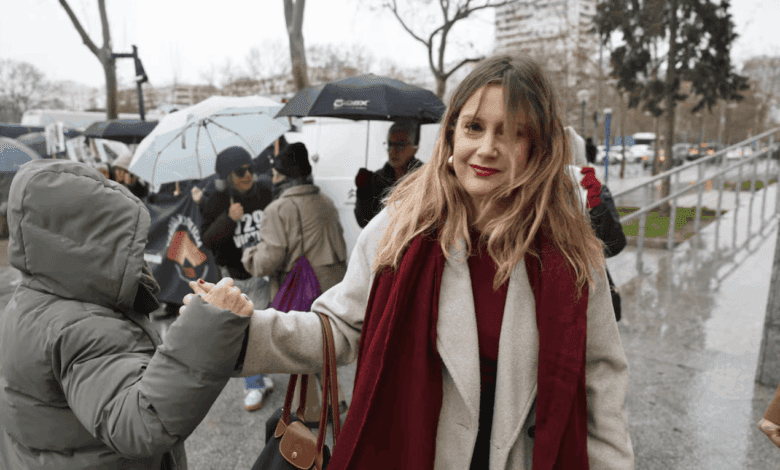
In Madrid, the investigation into the tragic events that took place in nursing homes at the height of the pandemic continues. This time, the spotlight is on Carlos Mur, who held a key position in the region’s healthcare system. He has been summoned to court to testify in a case that has sparked heated debate in Spanish society for several years.
Mur, previously known as one of the main coordinators between medical institutions and hundreds of nursing homes, has appeared for the first time not as a witness, but as a defendant. His interrogation marked a turning point: according to the prosecution’s lawyer, the official admitted that one of the elderly patients died in a facility that lacked the necessary resources to provide medical care. This admission has triggered a wave of discussion among victims’ families and experts.
Crisis Decisions
Recalling the events of 2020, many still cannot forget how, during the peak of the pandemic, Madrid authorities made the decision to introduce special patient triage protocols. These documents, signed by Mur, effectively limited the possibility of hospitalization for nursing home residents. As a result, many elderly people were left without access to hospital care, which, according to a number of lawyers and human rights advocates, led to tragic consequences.
Moor himself, a psychiatrist by training, held the position of Director of Coordination between the social and medical sectors at the time. His responsibility was to ensure cooperation between 475 elder care facilities and the regional healthcare system. However, his signature is found on the protocols that have now become the subject of a court investigation.
Internal contradictions
The situation became more complicated after one of the doctors involved in drafting the disputed protocols testified against Moor. According to this specialist, he opposed the restrictions, considering them discriminatory. The lawyer representing the victims’ families, Alejandra Jacinto, claims that after these remarks, Moor was forced to explain his role in the decision-making process.
During questioning, Moor stated that although he had signed the documents, their content was developed by a group of geriatricians led by Peromingo. He argued that responsibility for the content of the protocols lies not only with him but also with other participants. However, for many relatives of the deceased, such explanations sound unconvincing.
Public reaction
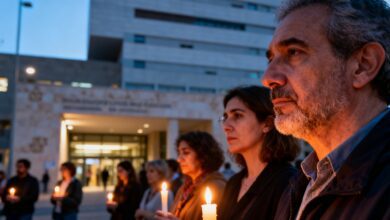
Moor’s testimony sparked widespread public reaction. Relatives of the victims and public organizations are demanding transparency and justice. Debates continue on social media over who should be held accountable for the decisions that led to the deaths of hundreds of elderly people. Many believe that the former official’s admissions could mark the beginning of sweeping changes in the region’s social protection and healthcare systems.
Meanwhile, neither Moor nor his lawyer spoke to journalists after the hearing. Questions remain unanswered about who made the decision to restrict hospital admissions and why. The investigation is ongoing, with many more interrogations and proceedings ahead.