The decision by the Seville municipality to outsource cleaning services in public schools to private companies has sparked a strong reaction among workers and trade unions. For city residents, this could mean changes in service quality, employment structure, and new regulations for staff who have worked in the municipal system for years. According to El Pais, the authorities justify this step by the urgent need to address staff shortages and maintain cleanliness in educational institutions.
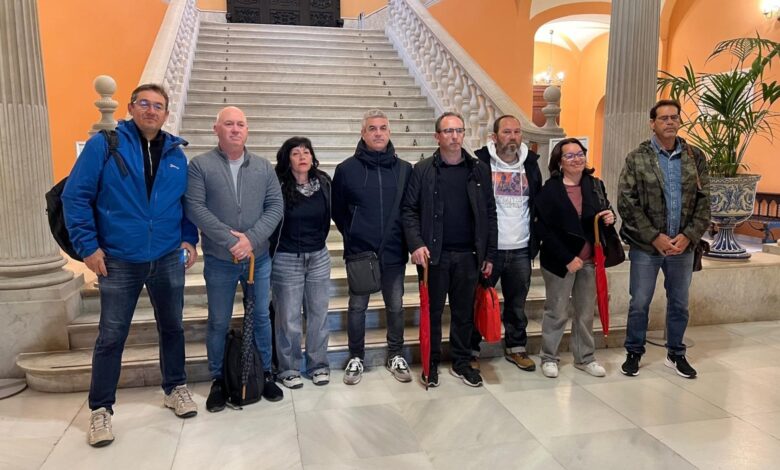
From early morning, representatives of the CSIF, UGT, CCOO, and USO unions blocked the city hall, protesting the decision taken at an extraordinary city council meeting. Workers fear that transferring responsibilities to private contractors will lead to job losses, especially among temporary staff. Slogans against privatization can be heard on city streets, while dozens of people have gathered outside the administration building demanding a reconsideration of the decision.
Arguments from both sides
Municipal authorities claim that no employee will lose their job and that new contracts will allow for staff expansion and improved cleaning quality. They say each school building will be assigned a dedicated cleaner for the morning shift and gain access to modern equipment, including electric washers and floor-cleaning machines. The authorities emphasize that in recent months, they have held several meetings with unions to discuss the reform details.
However, union representatives insist that the city could hire the missing staff itself since funds for this purpose are allocated in the budget. In their view, the cost savings result from not hiring new employees rather than improving efficiency. They also point out that many positions have remained vacant due to a lack of replacements after resignations and retirements, leading to an increased workload for remaining staff.
Workers’ reaction
Employees facing potential layoffs are anxious. Many of them work on temporary contracts and fear they won’t be able to keep their jobs after the services are outsourced. Some cite physical and emotional strain caused by staff shortages, saying they are forced to do the work of several people. One protest participant, Mariló Moreno, said that her family relies solely on her income from this job, and the privatization drive has left her uncertain about the future.
Unions say they plan to continue protesting and will not leave city hall until the authorities agree to a dialogue. They also question the financial logic behind the new contract, citing finance department reports that warn of overspending in the coming years. According to them, without adequate funding, stable operation of the cleaning service is impossible.
New conditions and equipment
According to the approved terms, at least 387 people will be involved in cleaning during the academic period, distributed by shifts and sites. Each academic building will receive modern equipment, including leaf blowers and electric high-pressure washers. General cleaning is also scheduled at the beginning, middle, and end of the school year, with a special maintenance regimen in summer.
Authorities claim that these measures will raise cleanliness standards and create additional jobs. However, unions argue that no real improvements will happen unless the issues of staffing shortages and vacancy replacements are resolved. They note that many employees leave due to fatigue and a lack of support from the administration.
Context and consequences
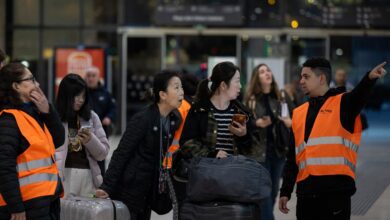
The situation in Sevilla is reminiscent of recent labor disputes in other sectors, where reforms and a shift to private contractors have sparked mass protests. For example, a major strike by railway workers in Spain led to hundreds of canceled train services and serious disruptions in the transport system, as detailed in the article on the consequences of the nationwide railway strike. Events like these show that any changes to public sector employment and maintenance spark significant public reaction and require thorough discussion with all parties involved.
In recent years, Spain has repeatedly witnessed debates over the outsourcing of municipal services to private companies. Similar reforms in Madrid and Barcelona were accompanied by protests and legal disputes. In some cases, after interventions by unions and civil society groups, the authorities had to revise contract terms or return some functions to municipal control. These examples highlight how sensitive such changes are in society and emphasize the importance of considering workers’ opinions when making decisions.