The uncovering of a major sexual exploitation network in Málaga has sounded an alarm across Spain. This case raises not only security concerns, but also highlights the vulnerability of migrants, who often fall victim to deceit and violence. The police operation revealed the extent of control and pressure faced by women who arrived seeking a better life.
A woman from Latin America, exhausted by abuse, turned to the police in Córdoba. She recounted how the conditions promised to her for work in Málaga turned out to be a trap: instead of regular employment, she faced round-the-clock availability, strict rules, and no personal space. She had to sleep on pillows on the floor, all under surveillance by cameras. Her story marked the starting point for a major investigation that led to the exposure of a criminal organization.
Control system
Police discovered that the network ran three brothels: in Marbella, in the Campanillas district, and in central Málaga, where the premises were disguised as tourist apartments. This approach helped hide suspicious activity from neighbors. Women were recruited through intermediaries in their home countries or via the internet, lured with promises of favorable conditions. In reality, they became completely dependent on the organizers.
The victims, aged between 25 and 40, had to undergo a probationary period before being transferred from one club to another. The organization set the prices for services, controlled the schedule, and even dictated where and how they could sleep. If there were not enough beds, the women rested right on the floor between clients. Even minor violations of order or insufficient cleanliness in the premises could result in fines.
Coercion and Punishments
Control was not limited to working hours. The women could only leave the premises for a few hours, and only when accompanied by representatives of the organization. They were also pressured to sell drugs and stimulants to clients to increase the criminal group’s profits. Earnings were withheld for a week after the work was done to suppress any attempts at resistance: if someone broke the rules, she was simply fired without receiving her pay.
There was a strict hierarchy within the group. One of the women who arrived for work eventually became a manager and even a partner of the main organizer. The entire system was set up to prevent any attempts at escape or complaints.
Operation and Consequences
After gathering evidence, police conducted simultaneous raids at three brothels and four homes belonging to the suspects. As a result, 16 people were detained, and four key figures were sent to prison. Cash, drugs, weapons, and fake pistols were seized. All detainees have been charged with human trafficking, forcing prostitution, crimes against public health, and participation in a criminal organization.
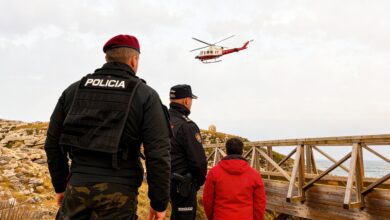
Police units from Málaga, Córdoba, and Marbella took part in the operation, supported by canine teams, special forces, and aerial support. The scale and coordination of the actions allowed authorities to swiftly dismantle the entire network and prevent further crimes.
Context and other incidents
In recent years, Andalusia has seen a rise in the exposure of similar criminal networks, indicating growing organized crime in the region. At the same time, infrastructure issues also impact security and daily life for local residents. For instance, the recent incident with the suspension of high-speed trains between Málaga and Antequera due to a landslide highlighted how quickly conditions can change in the region and the importance of responding to various threats. The surge in criminal group activity demands constant attention from authorities and new measures to protect vulnerable groups.
In recent years, Spain has repeatedly carried out large-scale operations against human traffickers, especially in tourist regions. In 2025, a network operating under a similar scheme was uncovered in Valencia, and in Barcelona, police detained a group that used fake documents to bring in women. These cases highlight that the issue remains relevant and requires a comprehensive approach from both law enforcement and society.