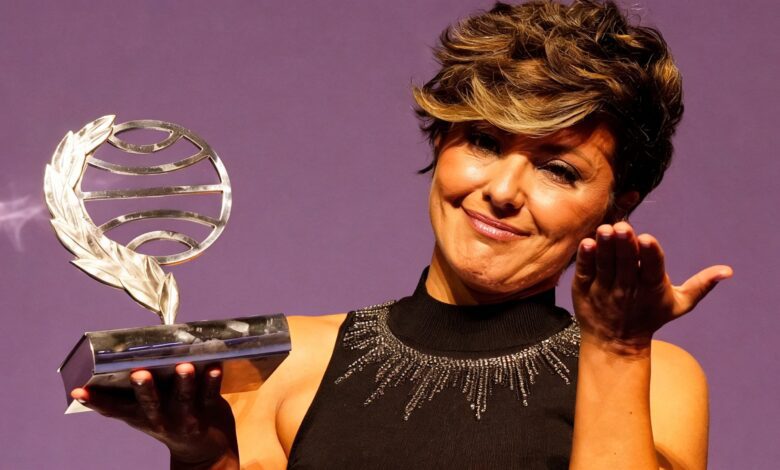
The appointment of Sonsoles Ónega as the main figure at the opening ceremony of the San Isidro festival in Madrid has become a notable event for the city’s residents. This choice highlights the city authorities’ intention to blend contemporary cultural trends with historical traditions. For many Madrileños, this decision represents not only a recognition of the achievements of prominent compatriots but also an effort to refresh the perception of one of Madrid’s most important city festivals.
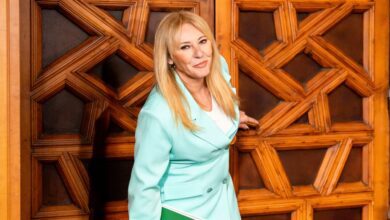
According to El Pais, Madrid Deputy Mayor Inma Sanz announced Ónega’s appointment at a weekly press conference following the city council meeting. The official opening of the festival will take place on May 8 at 8:00 p.m. from the balcony of the Casa de la Villa building. This marks the start of the key events dedicated to the city’s patron saint. While authorities have not yet revealed details of the program, it is already clear that anticipation for the event is high.
The role of personality
Sonsoles Ónega, who won the Planeta Prize in 2023, is recognized as one of the leading figures in Spanish journalism and literature. Her involvement in the festival’s opening is seen as an acknowledgement of the contribution modern authors make to the country’s cultural life. This move could serve as an example for other cities, where traditional events are increasingly taking on a new dimension thanks to the participation of renowned personalities.
In recent years, Madrid authorities have increasingly relied on well-known figures from culture and media to draw attention to city events. This approach not only helps sustain interest in traditions but also engages new generations in the celebrations. According to russpain.com, such decisions encourage a rise in tourist flows and reinforce the city’s image as a hub for contemporary cultural initiatives.
Tradition and Change
San Isidro Festival is traditionally celebrated on May 15 and is considered one of the most vibrant spring events in Madrid. During this period, the city is filled with fairs, concerts, and street festivities. However, in recent years, the celebration’s format has gradually evolved: new types of events are emerging and modern elements are being added to the program. As El Pais notes, the appointment of Onega could become a symbol of these changes, reflecting the city’s desire for renewal while preserving its historical roots.
Within the context of the capital’s cultural events, it is important to note that the selection of event hosts has increasingly become a subject of public debate. Last year, attention was drawn to the arrival of a Venezuelan opposition politician, which stirred considerable discussion among residents and experts. More details on the authorities’ and public reaction to such visits can be found in the article on the impact of María Corina Machado’s visit on relations between the countries.
Context and Significance
While city officials have not yet revealed details about the upcoming events, public attention is focused on Sonsoles Ónega and her role in opening the celebrations. For many residents of the capital, this occasion prompts reflection on how attitudes toward tradition are changing and how modern opinion leaders can shape perceptions of cultural values.
In recent years, Madrid has repeatedly served as a testing ground for new approaches to city festivities. For example, in 2024, themed exhibitions dedicated to contemporary literature and journalism were organized for the first time during San Isidro. In 2025, the focus shifted to music projects featuring young performers. These changes demonstrate the city’s commitment not only to preserving but also evolving its traditions, making them more accessible and relevant to new generations.