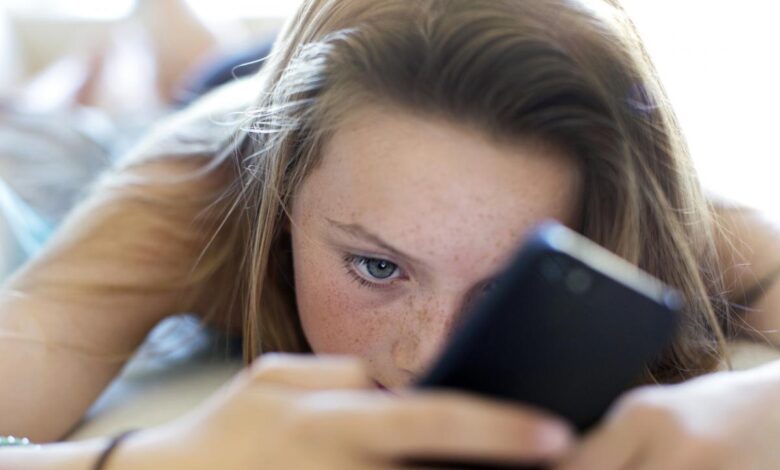
The sharp tightening of social media access rules for teenagers has become one of the most discussed topics in Spain. The government’s decision to restrict entry to popular platforms for those under 16 directly affects millions of families and students. Authorities explain that this measure aims to protect children from dangerous trends, cyberbullying, and illegal content, which is increasingly causing concern among parents and educators.
In the coming weeks, new measures will take effect in the country, changing the familiar registration process on social networks. Now, teenagers under 16 will not be able to create accounts or use existing profiles on platforms such as TikTok, Instagram, Facebook, and others. Companies operating these services are required to implement effective age verification systems. Failing to meet these requirements will result in serious consequences—from fines to criminal liability for company leadership.
Control and accountability
Authorities insist that digital giants must be held responsible for what happens on their platforms. Special attention is given to combating the spread of illegal materials and incitement to hatred. If platforms do not promptly remove prohibited content, they will face investigations and sanctions. The government emphasizes that this is not only about protecting minors but also about combating manipulation, fake news, and interference in public affairs.
Among the new initiatives is the creation of a system for tracking and analyzing digital footprints, which will help identify the sources and scale of the spread of dangerous content. For the first time, criminal liability for manipulating algorithms and artificially promoting illegal materials will be established at the legislative level. This will apply not only to the platforms themselves but also to their executives if they knowingly disregard the law.
International experience
Spain was not a pioneer in this area. Similar restrictions are already in place in Australia, where teenagers under 16 cannot create social media accounts. In France, a bill is under discussion that would ban access to platforms for those under 15. European countries are increasingly taking action to protect children online, responding to a rise in cyberbullying, the spread of disinformation, and other threats.
In Spain, the government’s decision has sparked intense reactions among politicians and the public. The opposition notes that such initiatives have been discussed before, and the current steps merely repeat previously proposed measures. Nevertheless, the issue of children’s safety in the digital environment remains one of the most pressing and requires ongoing attention.
Response and consequences
The introduction of new rules has already sparked debate between supporters and opponents of the restrictions. Some argue this is a necessary step to protect the younger generation, while others fear the bans will lead to increased underground use of social media and complicate life for families. Parents and teachers are awaiting clarification on how exactly the age verification system will work and what support measures will be offered to families facing problems with children’s digital addiction.
Authorities promise that alongside the restrictions, new tools for parents will be introduced. In particular, these include programs to prevent cyberbullying, support for teenagers, and education on safe behavior online. It is expected that these measures will help reduce anxiety among adults and create a safer environment for children.
Context and trends
In recent years, the issue of children’s online safety has become increasingly relevant for European countries. In 2024, Germany discussed a law banning anonymous accounts for teenagers, while Italy tightened control over content related to violence and suicide. The UK passed the ‘Online Safety Act,’ which requires platforms to remove harmful materials and implement parental control systems. These initiatives reflect a general trend: governments are seeking to take control of the digital space in order to protect the most vulnerable users.