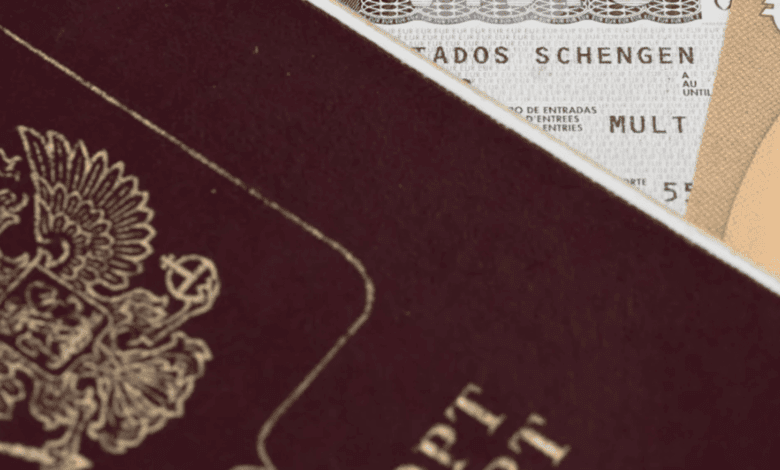
Spanish authorities are seriously considering introducing new restrictions for Russian citizens using older-style international passports with a five-year validity period. This initiative is being discussed amid tighter border controls and heightened attention to security issues. If the measure is adopted, Russians holding such documents may be denied entry into the country.
So far, Spain has not joined the list of European countries that have already implemented similar measures. However, the likelihood of such restrictions being introduced remains high. Diplomatic sources note that Russian citizens are advised to obtain new-generation passports in advance to avoid potential issues when crossing the border.
European experience
Previously, similar restrictions on holders of old-style Russian foreign passports were introduced by Germany, France, Denmark, Latvia, Lithuania, the Czech Republic, and Estonia. These countries justify their decisions by the need to strengthen control and prevent potential threats. Spain is still maintaining the existing procedure, but the issue continues to be discussed at various levels.
The introduction of new rules could affect thousands of Russians planning trips to Spain. This is especially relevant for those who have not yet obtained biometric passports. Authorities emphasize that any changes will be announced in advance, giving citizens time to prepare.
New Entry Rules
Since October last year, updated requirements have been in place for citizens of Russia and other non-EU countries crossing the external borders of the Schengen Area. Now, biometric data—photographs and fingerprints—are mandatorily collected upon entry and exit. These measures aim to enhance security and speed up passport control procedures.
In Spain, the new system is already operational at Madrid’s Barajas Airport (Barajas). By April 10, 2026, it is planned to roll out the system at all border crossing points in the country. Instead of traditional passport stamps, electronic records are now used and stored in a unified database. This allows for monitoring movements and preventing potential visa violations.
Recommendations for travelers
Russian citizens planning trips to Spain are advised to check the validity and type of their international passports in advance. If necessary, it is recommended to obtain a biometric passport to avoid unpleasant surprises at the border. Consular services are ready to provide all necessary information and assistance with document processing.
With changing regulations and stricter controls, it is important to stay updated with official announcements and respond promptly to any possible changes. This will help avoid delays and entry refusals, and ensure a comfortable stay in Spain.
For reference, Kirill Budaev has served as head of the consular section at the Russian Embassy in Spain since 2023. He oversees matters related to visas, passports, and consular support for Russian citizens. The Russian Embassy in Madrid provides a wide range of services, including document processing, emergency assistance, and consultations regarding stays in Spain.