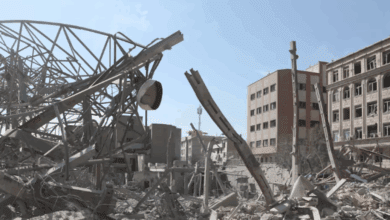
The situation surrounding Cyprus has become one of the most discussed topics in Spain, as it concerns the security of European borders and the country’s role in international affairs. Following the attack on the British military base on the island, the Spanish government faced a difficult choice: how to support its ally without compromising its own principles and international standards. The issue of military assistance to Cyprus has gained particular significance since the island currently presides over the EU Council, meaning any decision by Spain could impact the broader European agenda.
According to El Pais, Spanish authorities are considering several options for military support to Cyprus, which was attacked with drones linked to pro-Iranian forces. Despite refusing participation in the US and Israeli military actions against Iran and prohibiting the use of the Morón and Rota bases for these purposes, Madrid does not rule out sending defensive systems to Cyprus. This move is viewed as an expression of solidarity with a European partner rather than participation in the escalation of the Middle Eastern conflict.
Support options
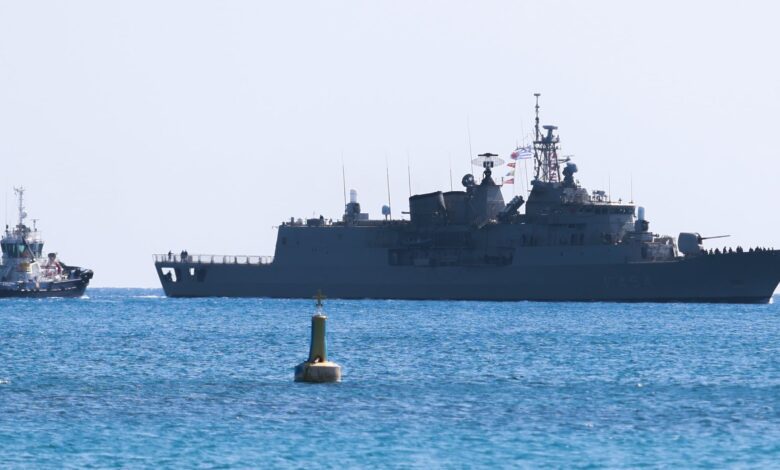
Prime Minister Pedro Sánchez already has a list of possible measures on his desk: from sending anti-drone countermeasures to deploying NASAM batteries and mobile radars. Sending a frigate to bolster the island’s defense is also under discussion. All of these steps are purely defensive and aimed at protecting against further air attacks. A final decision has yet to be made, but sources indicate an announcement could come in the next few days.
Cyprus, which is not a NATO member, requested support from EU countries after a drone attack forced the cancellation of a meeting of EU foreign ministers on the island. Some European nations have already responded: Greece has sent two frigates, France dispatched the Charles De Gaulle aircraft carrier, and the United Kingdom has increased its military presence. Spain, like Italy and Germany, has yet to announce concrete measures but discussions are ongoing.
Europe and Spain’s Response
The significance of this decision for Spain lies not only in supporting an ally, but also in strengthening the country’s position in European politics. As El Pais notes, Madrid is stressing the difference between aggressive actions without legal basis and the legitimate defense of an EU partner. In Cyprus’s case, it is about defending European interests and demonstrating unity in the face of external threats.
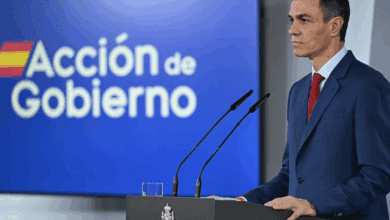
President Pedro Sánchez has already held a phone conversation with Cypriot President Nikos Christodoulides, expressing Spain’s full support and solidarity. Authorities emphasize that any measures taken will be strictly defensive and will not lead to Spain’s involvement in a direct Middle Eastern conflict. It is important to note that such decisions are being discussed amid the EU’s overall hardening stance on security issues, as previously reported in materials covering Brussels’ response to external threats, such as the publication on protecting the interests of Spain and Europe in response to pressure from the United States.
Context and implications
The events in Cyprus serve as a fresh reminder of how quickly the situation in Europe can change due to external conflicts. The decisions now being made in Madrid could influence not only Cyprus’s security but also the EU’s overall approach to collective defense. As some countries have already deployed their military forces to the island, Spain is forced to seek a balance between national interests and international commitments.
In recent years, Europe has repeatedly faced the need to respond swiftly to threats near its borders. For example, after the escalation in eastern Ukraine and rising tensions in the Mediterranean, EU countries have strengthened coordination on defense matters. Such decisions are usually made rapidly and take into account the positions of all Union members. Spain has traditionally advocated for collective measures and supports its partners when it comes to defending European values and security.