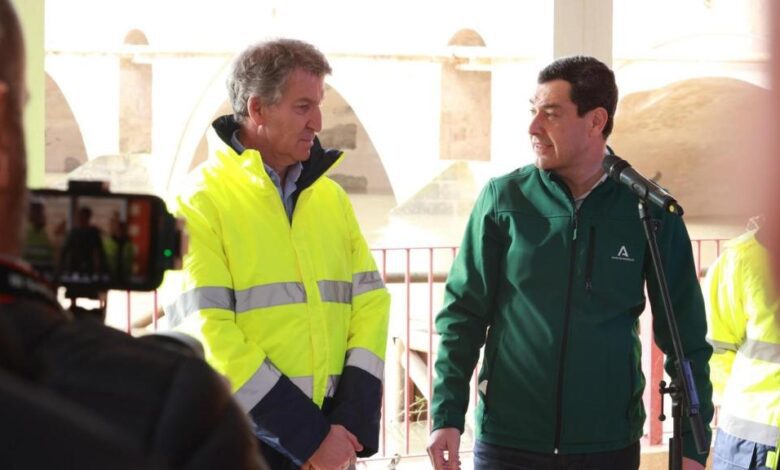
The aftermath of recent floods and droughts in Spain has once again put the safety of millions at risk. The condition of dams and reservoirs has become a central issue for the country’s future, as climate anomalies grow increasingly frequent. Against the backdrop of alarming events in Andalusia, the need for immediate measures to secure hydraulic structures is under active discussion.
The leader of one of the country’s largest political forces proposed an initiative that could change the approach to water resource management. He is calling for an urgent inspection of all dams to eliminate risks of accidents and breakdowns. According to him, the situation requires prompt action—from technical audits to the creation of a unified control and maintenance system.
Challenges for infrastructure
There are about 2,400 dams in Spain, of which a thousand are large-scale facilities playing a key role in water supply and protection from natural disasters. After recent downpours in Andalusia, it became clear that many structures were operating at their limits. In some cases, water overflowed, and spillway systems could not handle the load.
Authorities note that similar situations could happen again unless regular technical maintenance measures are taken. Particular attention is being paid to the condition of sluices and underground drainage systems, which often remain out of sight. Problems with their operation could lead to catastrophic consequences for entire regions.
A nationwide plan
In response to climate change challenges, a Water Pact—an ambitious strategic program covering all aspects of water security—has been proposed. This plan calls not just for dam inspections, but also for the creation of a permanent monitoring system and coordination across all levels of government.
The initiators emphasize that only coordinated efforts can prevent tragedies like last year’s power outage or the railway disaster in Córdoba from happening again. The issue of water security is now not only technical but also political, affecting every region of the country.
Risks and consequences
Experts warn that ignoring the condition of hydraulic structures could lead to unpredictable consequences. Floods and droughts have already caused significant damage to the economy and infrastructure, and the situation may worsen in the future. In some areas, reservoir levels have hit historic lows, threatening the water supply for both residents and agriculture.
At the same time, excessive rainfall leads to emergency discharges and the risk of dam failures. Authorities must strike a balance between drought protection and preventing catastrophic floods. The decisions made today will determine the country’s safety and resilience for years to come.
Recent years in context
In recent years, Spain has repeatedly faced extreme weather events. In 2023, heavy rains caused large-scale flooding in Valencia and Murcia, while in the summer of 2024, drought in the central regions led to strict water use restrictions. In 2025, Catalonia debated new safety standards for dams after defects were detected at several sites. These events highlight the need for a systematic approach to water resource management and ongoing monitoring of infrastructure conditions.