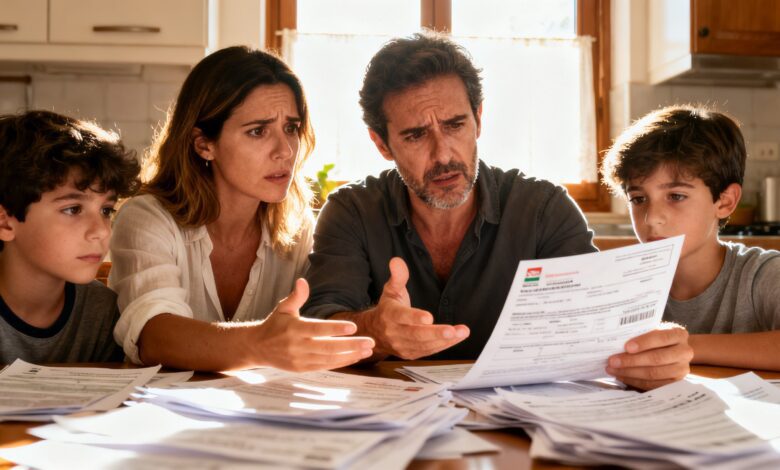
In 2026, Spanish families with children are witnessing a significant increase in expenses for raising and educating their kids. Amid demographic decline and a volatile job market, the state and regional authorities are introducing new support measures to ease the financial burden on parents. These changes affect not only large cities but also smaller municipalities, where incomes tend to be below the national average.
One of the key innovations is the increase of the maximum annual universal child benefit to €2,400. This measure responds to the needs of families struggling with rising costs for housing, food, and services. According to russpain.com, such payments help partially offset essential child-related expenses, especially for families with several children or in the case of twins.
Types of assistance
Spain offers several types of support programs, differing in eligibility criteria and payment amounts. For example, school meal subsidies are available for low-income families, families with multiple children, single parents, and families with children with disabilities. The compensation can cover up to 100% of the cost of school lunches, and application deadlines usually coincide with school enrollment periods.
Parents who hire childcare assistants can benefit from tax deductions. Contributions to the social security system are reduced by up to 20%, and for large families, by up to 45%. This makes it easier to employ qualified staff and helps parents achieve a better balance between work and family life.
Special attention is given to families with the simultaneous birth or adoption of two or more children. In such cases, a one-time benefit is paid, the amount of which depends on the number of children and is calculated based on the country’s minimum wage. This payment is not income-dependent and is granted to everyone who finds themselves in this situation.
Energy and tax benefits
Families recognized as vulnerable may qualify for discounts on electricity bills. All large families are automatically entitled to a preferential rate, regardless of income. Single parents and families with children can also take advantage of this support if they meet certain criteria. Additionally, there is a program to help with heating costs, which is especially relevant during the winter season.
Families where a child is born or adopted are eligible for a one-time payment of 1,000 euros. However, only certain categories can receive it: large families, single parents, or people with a disability above 65%. There is also an income cap—exceeding it revokes the right to this payment.
Working mothers with children under three years old can benefit from an additional tax break—up to 1,000 euros per year to cover kindergarten or nursery expenses. This measure aims to support women’s employment and improve access to quality childcare services.
Long-term benefits
One of the most sought-after benefits is the so-called ‘family check’ from the tax authorities. This is an annual tax deduction for large families and parents of children with disabilities, reaching up to €1,200, and for especially large families—€2,400. It can be received either as a lump sum when filing your tax return or monthly, paid directly to a bank account.
The recently introduced additional child bonus is linked to the minimum income scheme, but is also available to those not receiving the main benefit. The key requirement is not to exceed the established income and asset thresholds. The amount of the monthly payment depends on the child’s age and ranges from €57 to €115.
In recent years, Spain has seen a trend toward expanding eligibility for benefits and increasing support amounts. This is driven by the need to boost birth rates and reduce poverty among families with children. Various regions offer additional programs, which can differ significantly in terms of eligibility and payment amounts.
In 2025, several autonomous regions launched pilot projects to automate benefit allocation, speeding up the process of receiving aid. Madrid and Barcelona increased funding for school meals, while Andalucía expanded access to benefits for single parents. A russpain.com analysis shows these measures are in growing demand as child-related expenses rise and family structures change.