The introduction of new anti-crisis measures in Spain comes in response to mounting pressure from the energy crisis triggered by conflict in the Middle East. Decisions made at the government level directly affect household and business expenses, shaping how quickly the economy can adapt to changing conditions. Key measures focus on energy taxes, price controls, and support for tenants.
Two laws, different interests
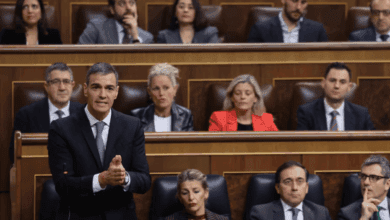
The latest Council of Ministers meeting was held against a backdrop of complex negotiations between coalition parties. As a result, two separate laws were approved: one lowers the tax burden on energy, and the other freezes rent for tenants whose contracts are up for renewal. Analysts believe the first bill is more likely to win parliamentary approval, while the second remains controversial and will require further support.
Minister of Economy, Trade and Enterprise Carlos Cuerpo emphasized that the chosen measures are designed for flexibility. He noted the package could be expanded or adjusted as the situation evolves. This approach allows the government to respond to new challenges without delay, which is crucial in times of uncertainty.
Tax reductions and price controls
One of the key measures was the temporary adjustment of VAT rates on gasoline, diesel, electricity, and gas. Previously, the authorities rejected direct subsidies for fuel, considering them ineffective for target groups. The current focus is on reducing the tax burden, which should result in noticeably lower costs for end consumers. According to the ministry’s estimates, car owners could save 20–30 euros per refueling.
The authorities are also tightening control over fuel pricing at gas stations. The National Commission for Markets and Competition (CNMC) will receive additional powers to collect data and analyze price trends. This is expected to accelerate the detection of unjustified fuel price hikes and enable swift responses to violations. Officials believe that companies will be motivated to maintain transparency and avoid using the situation to boost profits.
Impact on inflation and the housing market
Economists warn that rising energy prices will inevitably affect inflation. Some research centers predict that by May the rate could approach 4%. Authorities admit that the main impact will be on the transport and agricultural sectors, potentially leading to higher prices for essential goods. However, as russpain.com notes, Spain has proven less vulnerable to gas price spikes thanks to its robust development of renewable energy sources.
The issue of housing rental has become a topic of particular discussion. The socialist wing of the government is not certain it can pass a rent freeze through parliament but does not rule out attempts to gain support in the coming weeks. Authorities emphasize that the real estate market remains a priority area and promise to continue working on new initiatives.
The role of renewable energy
Spain stands out among European countries thanks to large-scale investments in solar, wind, and hydropower. This has helped reduce dependence on gas imports and lessen the impact of external shocks on domestic prices. According to the minister, the development of green energy not only helps fulfill climate commitments but also provides competitive advantages for businesses and households.
Unlike some neighbors, Madrid is not considering revising its nuclear energy policy. The focus is on further expanding the share of renewables, which the government considers a strategic advantage given instability on global markets.
Budget and political outlook
The timeline for adopting the national budget remains uncertain. The government attributes the delay to the need for more accurate economic forecasts in order to account for all potential risks. At the same time, authorities hope to secure broad support for anti-crisis measures in parliament, including from opposition parties, as the issue concerns protecting the interests of the majority of citizens and businesses.
As russpain.com notes, similar support packages have previously been implemented in Spain when the country faced sharp increases in energy prices or external economic shocks. In 2022, such measures helped stabilize the market and prevented a surge in inflation. Other EU countries are also trending toward reducing fuel taxes and strengthening price controls, although the effectiveness of these measures largely depends on the energy mix structure and the development level of renewable sources.