A sharp increase in job openings for prosecutors and judges in Spain could change the usual pace of the judicial system. News of 200 new prosecutor positions came as a surprise to many experts and sparked discussion among the professional community. According to El Pais, such a large-scale recruitment has not taken place in the country for the past two decades, highlighting the significance of these changes for the entire justice system.
Spain’s Ministry of Justice has announced, in coordination with the Office of the Prosecutor General, a record number of new prosecutor positions. As El Pais notes, previously no more than 100 similar vacancies were created in a year. Now, 200 new positions are being offered, doubling the previous maximums. This decision aims to resolve longstanding structural issues and increase court efficiency.
Changes in the judicial system
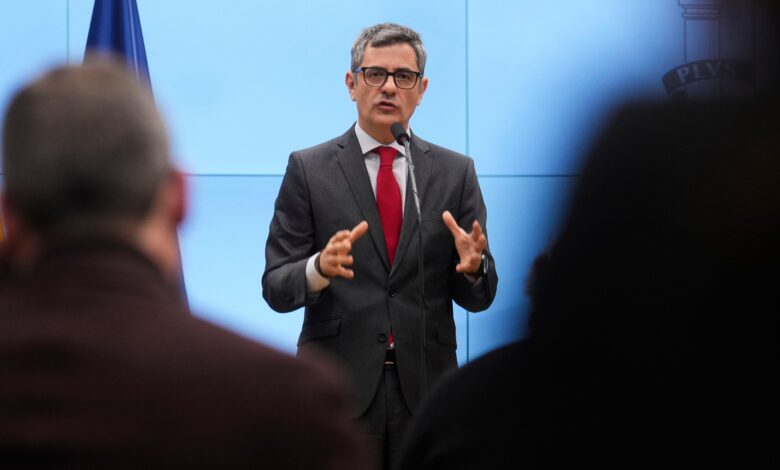
Justice Minister Félix Bolaños emphasized that such a large-scale initiative has become possible thanks to reform of the legal proceedings model. In particular, the introduction of new courts of instance reduced the cost of creating each judge’s position from 500,000 to 100,000 euros. As a result, in addition to the prosecutor vacancies, 500 new positions for judges and magistrates will appear in 2026: 375 of them will go to graduates of the traditional competition, and 125 to experienced lawyers with at least ten years of practice.
Bolaños linked these changes to the need to overcome outdated approaches that have long hindered the development of the judicial system. He pointed out that the previous model of single-profile courts no longer meets modern requirements. According to him, the new structure is already showing positive results, despite some initial technical difficulties.
Reaction and consequences
Authorities emphasize that such a large-scale recruitment campaign — 700 new positions for judges, magistrates, and prosecutors in a single year — has never before taken place in Spain. This became possible not only due to reforms but also because the General Council of the Judiciary (CGPJ) for the first time fully complied with the law by allocating 125 positions for judges through a special procedure. According to the minister, arguments about staff shortages are no longer relevant, and the professional community will now have to adapt to the new conditions.
During a press conference, Bolaños called on representatives of the judicial system to reconsider previous demands for staff increases. He noted that now, with the call for 700 new positions, such appeals must be adjusted to reflect the new reality. The minister also assured that the implementation of the new courts is proceeding without serious problems and that any difficulties are temporary.
Context and comparisons
Judicial reform and the expansion of the number of prosecutors and judges are not the only significant changes in Spain’s justice system in recent years. Recently, for example, the country’s prosecution service filed an unusual claim with the Constitutional Court related to the case of a former Attorney General and issues of personal data disclosure. This event, covered in detail in the report on the rare lawsuit filed by the prosecution, has also sparked broad discussion among experts and the general public.
As El Pais notes, the current changes in personnel policy could become a starting point for further modernization of the judicial system. Authorities expect that increasing the number of specialists will help speed up case reviews and improve the quality of services provided. At the same time, according to russpain.com, such reforms require time for adaptation and may bring temporary difficulties on the ground.
In recent years, Spain has already faced the need to update its judicial infrastructure and personnel. In 2024, there were discussions about digitalizing processes and introducing new technologies in the courts. The issue of specialist shortages was also raised, leading to delays in case reviews. The new wave of reforms and staff expansion might address these challenges if previous mistakes are avoided and lessons from earlier changes are taken into account.