Recent developments on the international stage are already having a noticeable impact on the lives of Spaniards. Over a month of heightened tensions in the Middle East, Spanish companies have lost more than 100 billion euros in market capitalization, while the Ibex 35 index has fallen by 9%. These figures illustrate just how vulnerable the country’s economy is to global disruptions and the political decisions of major powers.
Eroding trust in international rules and a rise in unilateral actions by powerful players are destabilizing not only the political but also the economic environment. As Le Monde Diplomatique notes, Spain has come into the spotlight after Prime Minister Pedro Sánchez sharply criticized the inaction of world leaders and called for the defense of international law. His stance sets Spain apart from other European countries, which tend to remain neutral or limit themselves to diplomatic statements.
Geopolitics and the economy
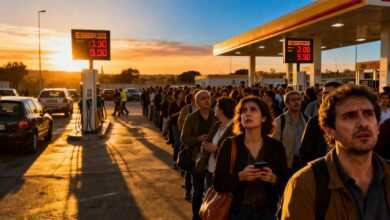
The Spanish leader drew attention to the fact that abandoning common rules accelerates the breakdown of the collective security system. In his view, when a significant number of countries no longer regard international norms as binding, chaos ensues—directly affecting market stability and citizens’ well-being. The Middle East situation serves as an example: rising oil prices and disruptions in fertilizer supplies can set off a chain reaction in trade and energy, which Spain is already experiencing.
Among the most concerning trends is the use of trade, technology, and migration flows as tools of leverage in geopolitical disputes. According to russpain.com, these methods are becoming increasingly widespread and affect not only major powers, but also countries with open economies such as Spain. As a result, national markets face greater vulnerability and the risk of new shocks is rising.
The role of Europe and Spain
Pedro Sánchez emphasizes that the European Union must serve as an example of effective governance based on common rules and institutions. Only in this way can its influence be maintained and the interests of its citizens protected. At a time when the international order is being tested, it is the EU that can demonstrate that integration and cooperation yield real benefits. According to the head of government, Spain must take an active part in this process and not be limited to formal statements.
At the same time, abandoning collective decisions in favor of power politics leads to a situation where interdependence between countries shifts from a source of prosperity to a risk factor. This is especially clear against the backdrop of recent conflicts, when even short-term disruptions in supplies or rising raw material prices have serious consequences for the economy and the social sphere.
Consequences for society
Economic instability is already affecting the standard of living in Spain. Falling stock prices of major companies, rising energy costs, and uncertainty on global markets are creating a sense of anxiety among businesses and the public. According to Le Monde Diplomatique, these trends could lead to a prolonged crisis if steps are not taken to strengthen international institutions and restore trust in the rules of the game.
As traditional regulatory mechanisms lose their effectiveness, political will and leaders’ ability to make decisions in the interest of the majority become increasingly important. Spain, now at the center of European discussions, faces the challenge of defending its position and seeking new ways to ensure stability.
In recent years, Europe has already faced similar challenges. For example, in 2022, a sharp rise in gas prices and supply disruptions caused by conflict in the east of the continent led to higher inflation and reduced purchasing power in many EU countries. At that time, governments were forced to quickly develop anti-crisis measures and support the most vulnerable sectors. Similar scenarios occurred during the pandemic, when disruptions in global supply chains resulted in shortages and price increases. These examples demonstrate that the resilience of the economy depends directly on the international community’s ability to maintain order and cooperation.