In the coming months, Spanish motorists will face a major change: starting in 2026, only V16 emergency beacons with online connectivity to the DGT 3.0 platform will be allowed on all roads nationwide. This decision has already sparked widespread debate among drivers, as the switch to the new devices is surrounded by many uncertainties and technical details.
What will change for drivers in 2026
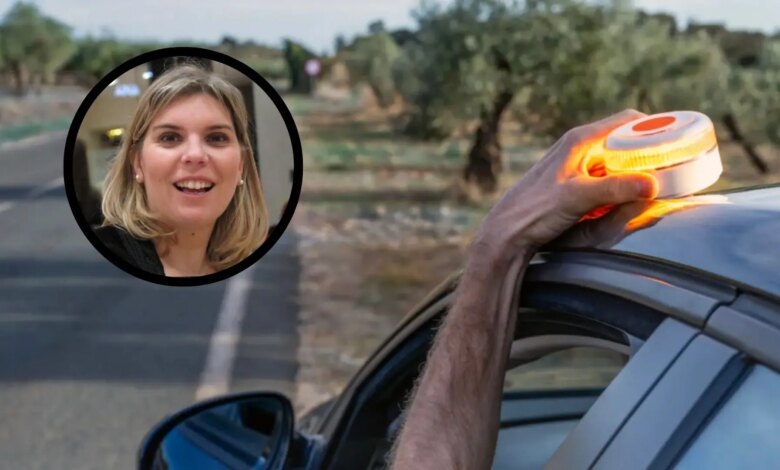
From January 1, 2026, traditional emergency triangles will be a thing of the past. They will be replaced by modern electronic V16 beacons that not only signal a breakdown or accident but also automatically send incident information to the DGT 3.0 system. This will allow services to respond more quickly to incidents and improve road safety.
However, many motorists are still unsure which devices meet the new requirements. The market offers a wide range of models, but not all of them support the mandatory data transmission feature. As a result, some drivers risk buying outdated or unsuitable beacons, which will soon be outlawed.
Implementation challenges and admission of mistakes
The head of telematics at the Dirección General de Tráfico (DGT), Montserrat Estaca, admitted that the transition to the new standards has been more complicated than expected. According to her, public information and educational efforts were insufficient, leading to confusion and misunderstanding among drivers.
The agency has already launched an active campaign to explain the new regulations. Special emphasis is placed on ensuring drivers know that starting in 2026, only V16 beacons capable of connecting to the DGT 3.0 platform and automatically transmitting location and incident time data will be permitted. Devices lacking this feature will be prohibited.
How to Choose the Right V16 Beacon
Experts advise paying attention to special markings that confirm compatibility with DGT 3.0 when making a purchase. It’s also important to ensure the device has a built-in SIM card and does not require a smartphone or other gadgets to transmit data. Only such models will meet the new safety standards.
In the near future, DGT plans to publish a full list of approved devices and conduct additional informational sessions for motorists. Drivers are encouraged to prepare for the changes in advance to avoid fines and unpleasant situations on the road once the new rules take effect.