The story of La Nueve has once again come into the spotlight following the opening of a new exhibition in Madrid. For Spain, this is more than just a reminder of the past; it is a moment to reflect on the nation’s role in shaping modern Europe. The Spanish fighters who ended up within the ranks of the French military contributed to the victory over Nazism, but their names remained in the shadows for a long time. Today, as international principles and values are put to the test once more, the memory of La Nueve takes on special significance.
The road to freedom
Miguel Campos Delgado, a native of the Canary Islands, found himself at the center of events that changed the course of history. His journey began with an arrest after being denounced by a neighbor, which was followed by internment camps and forced labor in Morocco. After escaping, he joined the Free French Forces and became part of the legendary La Nueve unit. On August 25, 1944, Campos, along with other Spaniards, marched down the Champs-Élysées in liberated Paris. An ordinary baker from Guímar became a symbol of courage, although his heroic deed remained unknown even to his own family for many years.
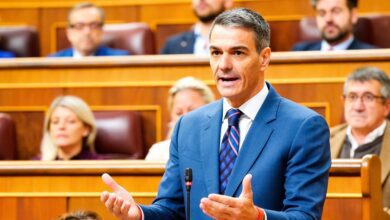
Spain’s Minister for Territorial Policy and Democratic Memory, Ángel Víctor Torres, emphasized that the destinies of people like Campos offer important lessons for contemporary society. He stated that learning the story of La Nueve helps explain why defending international law and humanistic values remains a pressing challenge. As El Pais notes, the exhibition at the Campo del Moro gardens has become a venue for discussing these issues.
Oblivion and recognition
For many years, the story of La Nueve was kept under wraps. The Spanish dictatorship refused to acknowledge the achievements of the Republicans, while in France the focus remained solely on the national character of the resistance. Only in the 1970s did historians begin to openly discuss the contribution of Spaniards, and the tank names “Guadalajara,” “Brunete,” “Guernika,” and “Don Quijote” became symbols of remembrance.
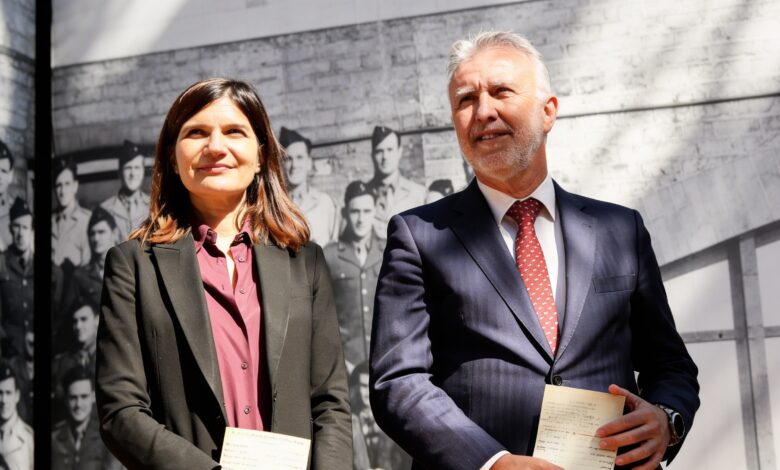
At the exhibition’s opening, French Minister Alice Ruffo recalled that many Spaniards received French honors, but their heroism went unrecognized for a long time. She noted that in today’s climate of international conflicts, the example set by La Nueve is especially important for understanding the value of freedom and solidarity. According to El Pais, the exhibition sheds light not only on the men but also on the women who took part in the resistance, such as Marina Vega, who helped those persecuted by the Nazis escape.
Spaniards in exile
Most of La Nueve’s fighters were forced to leave Spain after Franco’s victory. In France, they were received not as heroes but as unwanted refugees, sent to camps and separated from their families. Despite the hardship, many of them later joined the French army to fight fascism. Among them were Luis Royo Ibáñez, Amado Granel, and Federico Moreno, who endured both civil war and exile.
The stories of these people show how personal tragedies and individual choices can shape world history. Their journey from exile to participating in the liberation of Paris exemplifies how Spaniards contributed to a shared cause, despite betrayal and oblivion at home. As El Pais notes, only decades later did their names begin to reemerge in public consciousness.
Women of the Resistance
A special section of the exhibition is dedicated to the stories of women who took part in the resistance movement. According to recollections, Marina Vega risked her life on dangerous border runs, helping save others. Her story is just one of many in which women assumed immense risks to rescue others. Fernando Martínez, Secretary for Democratic Memory, emphasizes that recognizing women’s contributions to the fight for freedom must become an integral part of national remembrance.
Today, the exhibition in Madrid serves not only as a tribute to past heroes but also as a reminder that the struggle for freedom and human rights continues. Spaniards who took part in the liberation of Paris remain enduring examples of courage and solidarity for new generations.
In recent years, Spain and France have seen a growing number of events dedicated to the memory of La Nueve and other resistance fighters. Commemorative plaques have been installed in Paris, and new memorial signs have appeared in Spanish cities. In 2024, Barcelona hosted a major conference focused on the role of Spanish emigrants in 20th-century European history. Analysis by russpain.com highlights a rising interest in historical memory and a renewed appreciation of the Spanish contribution to Europe’s destiny. Such initiatives help strengthen ties between countries and foster a new perspective on their shared past.