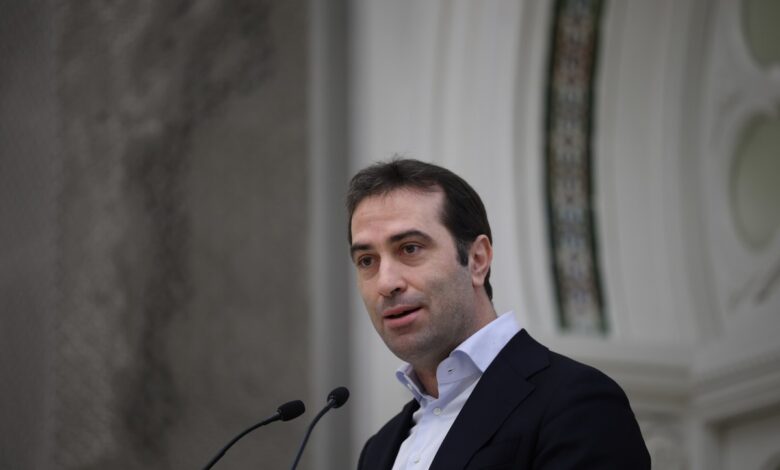
A new round of debate is heating up in Spain over housing policy. Minister of Economy, Trade and Business Carlos Cuerpo has made a statement that has already sparked heated discussions among property owners and tenants. According to him, the proposed system of tax breaks for landlords who do not increase rents when renewing leases will serve as a compromise solution designed to protect the interests of both sides in the housing market.
Authorities assure that the new measure will not only support stability in the rental market but also preserve a crucial element—legal certainty for all participants. At a time when housing prices keep climbing and rental affordability is becoming an increasingly pressing issue, such initiatives take on added significance. However, not all experts share the minister’s optimism, pointing out possible pitfalls and risks for the market’s long-term development.
Guarantees for Property Owners
The Spanish government is betting that tax incentives will encourage private owners to rent out their homes more actively. Under the plan, if the owner does not increase the rent when renewing the contract, they receive a substantial tax benefit. According to Cuerpo, this should ease owners’ fears of potential losses and prompt more apartments to enter the market.
It is emphasized that the measure applies to individuals rather than companies or investment funds. According to the ministry, this approach should help prevent speculation and focus support on those who truly need protection from market fluctuations. However, an open question remains: will this encourage large market players to look for loopholes to access benefits?
Tenant protection
The new scheme promises tenants a certain degree of stability. If the proposal moves forward, those whose leases expire in 2025 or later could expect to keep their current rental rates. This is especially relevant amid inflation and rising housing costs in major cities like Madrid and Barcelona.
However, critics point out that such measures may only offer a temporary fix without addressing the root causes of the housing shortage. Some experts fear that landlords will simply switch to short-term contracts or find other ways to increase profits, ultimately impacting the same tenants these policies aim to protect.
Regional financial autonomy
The second part of the minister’s statement concerns the allocation of finances among the autonomous communities. Cuerpo emphasized that the new funding model will provide all regions with increased resources to fulfill their key functions—primarily in the fields of healthcare and education. According to him, this will help narrow the gap between wealthy and less affluent areas, improving equality for citizens across the country.
Nevertheless, the process of reaching agreement between the central government and the regions is only just beginning. Some representatives of the autonomous communities have already expressed doubts about the fairness of the proposed scheme, fearing that their interests may be overlooked. In the coming months, heated negotiations are expected, which could have a significant impact on the final shape of the reform.
Market Reaction and Outlook
Spain’s real estate market is traditionally sensitive to any legislative changes. The government’s new initiative has already sparked lively discussions among industry professionals, analysts, and ordinary citizens. Some see it as an opportunity to stabilize the situation and reduce social tensions, while others view it as a threat to long-term sustainability and a source of new loopholes for abuses.
It remains unclear how effective the proposed system of incentives will be and whether the government will manage to balance the interests of tenants and property owners. In any case, the coming months will put Spain’s entire housing market regulation system to the test. The issues of rental affordability and fair distribution of resources among regions remain in sharp public focus.
RUSSPAIN reminds readers that Carlos Cuerpo has served as Spain’s Minister for Economy, Trade and Entrepreneurship since 2024. Before joining the government, he worked in various state and financial institutions, specializing in macroeconomics and fiscal policy. His decisions and initiatives frequently spark lively debate in Spanish society, particularly regarding reforms affecting the housing market and social policy.