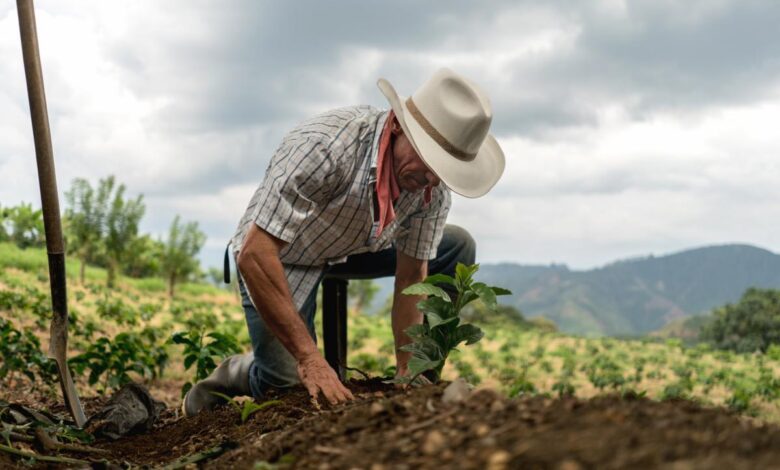
Spanish villages are growing quieter. Farmers who have worked the land for decades are now considering closing their businesses. The reason is simple: no one wants to work 18-hour days just to barely make ends meet anymore. Each year, fewer people in the country are willing to continue the family tradition. Most of the remaining farmers are nearing 60 years old, and young people are in no hurry to return to rural life.
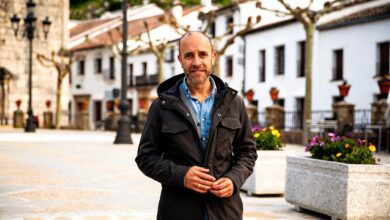
A conference on the future of agriculture was held in Madrid’s Argüelles district. The event focused on how new European regulations and economic challenges are affecting farmers’ lives. Víctor Viciedo, head of the Valencia Independent Farmers Association, explained that Spain has lost more than 18,000 farmers in recent years. He noted that many are forced to abandon not just their fields, but also fishing vessels, as continuing to work has simply become unprofitable.
Rural Crisis
Profitability isn’t the only problem. Prices for fertilizer, fuel, and equipment keep rising, while farmers’ incomes remain stagnant or even decline. As a result, many farms are shutting down, and fields are being reclaimed by weeds. Statistics show that only 4% of Spain’s farmers are under 35. The rest are nearing retirement age and see no one to whom they can pass on their work.
Rural areas are rapidly becoming depopulated. This is not only an economic issue, but also a demographic one. Authorities are trying to tackle the problem, but so far with little success. Support programs and investments in infrastructure cannot compensate for the lack of profit and the harsh working conditions.
European regulations
One of the main topics of discussion was the European Green Deal (Pacto Verde Europeo). According to many farmers, the new environmental standards only make life more difficult. Restrictions on fertilizers, pesticides, and antibiotics increase costs and reduce yields. Meanwhile, there are still no alternatives that would allow farmers to maintain their income.
Critics argue that such measures make agriculture unprofitable and discourage young people from entering the profession. Farmers’ organizations are demanding a review of the rules and greater support so they are not left to bear the brunt of the environmental fight. For now, farmers are forced to choose between complying with the new standards and staying afloat in the market.
No future left?
EU authorities are launching rural development programs, promising investments and improved infrastructure through 2040. But farmers themselves remain skeptical. They are convinced: until working the land becomes profitable, young people will not return to the countryside. Nobody wants to work 18-hour days just to get by.
A complex problem: economic challenges, demographic decline, and stricter environmental regulations. All these factors form a difficult puzzle that no one has managed to solve yet. Rural Spain is waiting for change, but when it will come remains an open question.