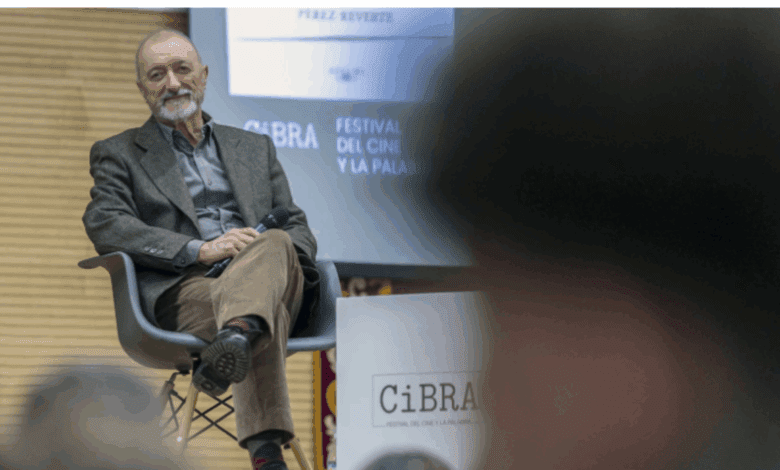
Spain is witnessing a heated dispute surrounding the country’s most respected linguistic institution. The Royal Spanish Academy (Real Academia Española, RAE) has found itself in the spotlight after renowned writer and current academic Arturo Pérez-Reverte publicly criticized his colleagues. His article in one of Spain’s leading publications sparked strong reactions and cast doubt on the academy’s long-established order.
Pérez-Reverte did not mince words, accusing the RAE of abandoning its principles and chasing fleeting trends. According to him, the academy is increasingly yielding to media and social media pressure, ignoring its own motto: ‘to cleanse, fix, and give splendor’ to the Spanish language. He claims that now anyone who is insistent enough can impose their own rules, even if they contradict the traditions of Cervantes or Galdós.
Internal divisions
Within the academy, according to Pérez-Reverte, a split has emerged. On one side are the writers, whom he calls ‘solid’ and ‘sidelined,’ and on the other, the linguists, allegedly dictating new norms. He makes no secret of his disappointment: the language, in his view, is becoming increasingly vulgar, and the academy is losing its authority and influence.
His criticism was particularly sharp towards the leadership of the RAE, which, according to the writer, is unable to resist the influx of Anglicisms, unnecessary technical terms, and the general impoverishment of vocabulary. Pérez-Reverte accuses his colleagues of remaining silent about linguistic innovations driven by political agendas and believes that the academy is afraid to irritate those in power.
Academy’s response
The RAE’s response was swift. Academy representatives stated they would thoroughly review all of Pérez-Reverte’s concerns and invited him to personally present his proposals at the upcoming general meeting. The academy emphasized that it respects the opinion of every member, even if it contradicts the majority view.
A detailed review of the remarks will begin soon. The leadership has promised to involve experts from specialized departments in the discussion and to verify how justified the writer’s claims are. If it turns out the problems do exist, the academy is ready to promptly take measures to address them.
The future of the RAE
For now, it remains unclear whether Pérez-Reverte’s ideas have support among other academicians. The upcoming meeting will show whether he has like-minded allies and how deep the divisions within the institution run. It is possible that the debate will escalate into a major discussion about the future of the Spanish language and the role of the academy in its development.
One thing is clear: the RAE is facing a serious challenge. For the first time in a long while, internal disputes have spilled beyond the academy’s walls and into the public eye. Spanish society is closely following the developments, as the outcome of this conflict will affect not only the academy’s reputation but also the fate of the Spanish language itself.