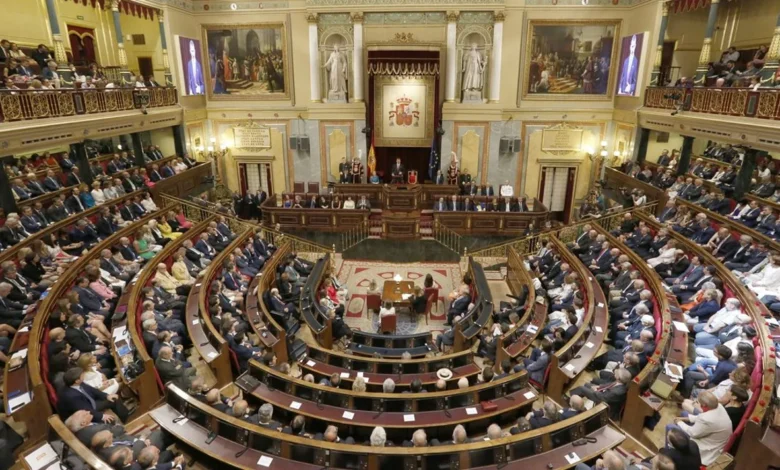
Spain has been facing an alarming situation for several years: despite existing regulations, most deputies and senators do not disclose their contacts with lobbyists. This poses serious risks to the transparency of the legislative process and undermines public trust in government institutions. According to El Pais, even after the adoption of a special Code of Conduct requiring publication of meetings with interest representatives, only a few parliamentarians comply with these obligations.
In 2025, only 21% of deputies and senators entered into their public calendars meetings not related to standard parliamentary activity. Most of these records involved participation in official events rather than direct negotiations with lobbyists. The Office for Conflict of Interest notes that such low figures do not reflect the real picture: there are far more contacts with interest groups than are officially recorded.
Oversight challenges
The situation is made worse by the absence of any sanctions for violations. Although the Code of Conduct was adopted back in 2020, mechanisms for punishing violators have still not been developed. This enables most deputies to ignore transparency requirements without personal consequences. As El Pais points out, the Office for Conflict of Interest’s annual reports highlight the same issues every year, but nothing changes.
Last year’s report highlights that even after repeated reminders, parliamentarians continue to conceal their meetings with lobbyists. The document states that the actual number of contacts with interest representatives is much higher than what is recorded in official calendars. This situation persists despite recommendations from European institutions and internal initiatives to increase transparency.
Reform efforts
At the beginning of 2025, the government approved a draft law on interest groups, aimed at strengthening oversight of lobbyists. However, this law applies only to the executive branch, not to parliament. For the new rules to take effect in the Congress as well, a separate reform of parliamentary regulations is required, which is still under consideration.
Throughout 2025, the lower house of parliament took several steps toward openness: it adopted the first Open Parliament Plan, and the Congress website introduced an ‘ethics’ section with guidelines for disclosing meetings and managing gifts. Nevertheless, according to russpain.com, these measures have not yet led to widespread disclosure of contacts with lobbyists.
Reaction and consequences
The Office for Conflict of Interest continues to recommend that deputies and senators disclose all meetings with lobbyists, reminding them of their obligations. However, without real sanctions, these recommendations remain only on paper. The report also notes that last year, parliamentarians submitted to the chamber secretariats 61 gifts worth more than 150 euros, indicating frequent attempts to influence lawmakers.
The issue of transparency in Spain’s parliament is not new. Other European countries have long enforced strict regulations for both lobbyists and deputies, with actual penalties for violations. In Spain, however, reform has been slow, and currently most interactions between parliamentarians and lobbyists remain outside public scrutiny. Against this backdrop, Valencia’s experience stands out, where courts have upheld strict regulations for gambling establishments near schools — more on this can be found in the article on new regulations for gambling halls.
In recent years, the topic of lobbying and transparency has been widely discussed in Spain. Following scandals over opaque ties between politicians and businesses in 2023–2024, public pressure on parliament has only grown stronger. Several autonomous communities have already introduced their own lobbyist registers and mandatory reports on meetings. However, at the national level, the situation remains challenging: there is still no unified oversight mechanism, and most contacts between deputies and interest representatives continue to go unpublicized. New reform efforts are expected in the coming years, but their success will depend on political will and parliament’s readiness for change.