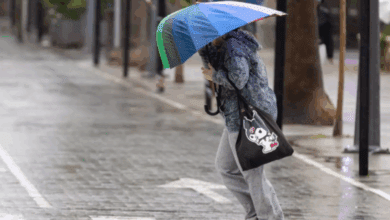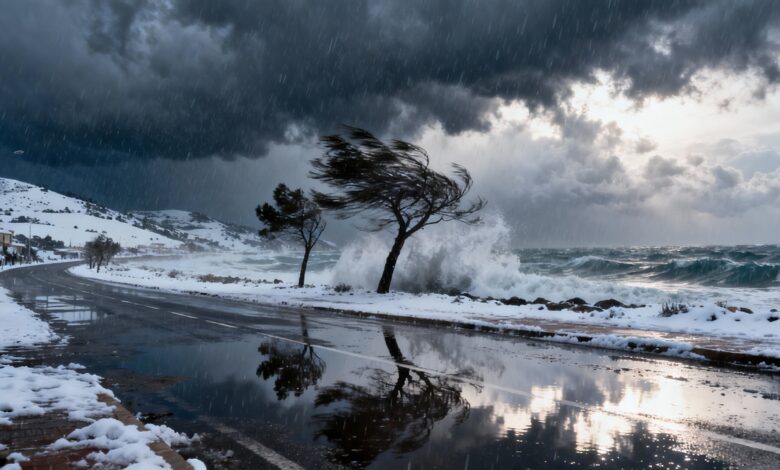
Eastern regions of Spain have been hit by the powerful storm Harry, turning daily life upside down. Early Monday morning, residents of Catalonia and the Balearic Islands watched as the sky rapidly darkened and water levels on the streets quickly rose. In some areas, mobile phones were flooded with urgent alerts as civil protection services warned of imminent danger.
Girona was hit especially hard, with rainfall in just a few hours turning the streets into raging rivers. In the coastal areas of Catalonia and the Balearics, storm winds drove waves up to seven meters high toward the shore. Beaches and rocky cliffs became deadly hazards—even going near them was not advised. Authorities were clear: the situation could spiral out of control at any moment.
The wrath of nature shows no mercy
Monday proved to be a real ordeal for residents in the northeast of the country. In Girona and surrounding areas, there were instances of localized flooding as rivers and streams overflowed their banks. In some places, water crept up to homes and cars were trapped on inundated roads. In the Pyrenees mountains, snow fell relentlessly, covering slopes in thick layers and raising the risk of avalanches.
In the provinces of Teruel and Castellón, snowfall began closer to the evening as temperatures dropped sharply. Roads through the mountain passes were quickly covered in slush, making travel dangerous. Drivers had to choose whether to take risks or look for alternative routes. Even in the lowlands, the weather was hardly pleasant—cold, damp, and piercing winds left no one at ease.
Sea threat
The coast of Catalonia and the Balearic Islands was hit hard by the elements. The sea was raging, tossing huge waves ashore that easily destroyed temporary structures and flooded promenades. Some ports had to urgently reinforce their docks and evacuate boats. Fishermen and tourists hurried to leave danger zones, while rescue teams patrolled the beaches to prevent tragedies.
Authorities kept repeating: approaching the water now puts your life at mortal risk. Yet despite the warnings, some still chose to tempt fate for a striking photo or video. A few narrowly escaped serious consequences for their daring.
Cold and snow
The inland regions of the country were not spared either. At night, temperatures dropped below zero, causing black ice to form on the roads. In the Pyrenees and southern Aragón, snow blanketed the landscape, making transportation difficult. Drivers had to stop and wait until road crews cleared the way.
In some villages, residents found themselves cut off from the outside world. Power outages occurred, and mobile service was intermittent. People stocked up on food and water, preparing for the storm to linger. Locals in the mountains are used to such challenges, but even for them, this storm proved to be a real test.
What’s next
On Tuesday, the bad weather showed no sign of letting up. Rain and snow continued, and temperatures remained low. The situation was especially difficult in Girona, Tarragona, Castellón, and the south of Valencia. Authorities warned of further possible flooding and disruptions on mountain roads above one thousand meters.
By midweek, forecasters predicted the storm would gradually weaken. However, it was too soon to relax: new atmospheric fronts were already on their way to replace Harry, expected to bring more rain to Galicia, Asturias, and Castilla y León. Spaniards are bracing for another round of nature’s surprises, as the weather in recent years has delivered more and more unexpected challenges.