Spain has seen a major shake-up at the top of one of the country’s most influential police unions. After twelve years of steady leadership by Mónica Gracia as Secretary General of the Sindicato Unificado de Policía (SUP), Carlos Prieto has now taken the helm. Over 90% of the organization’s congress delegates, who gathered in Toledo, voted in his favor. This decision signals a commitment to continuity while also opening up new opportunities for the union, which represents nearly a third of all National Police officers.
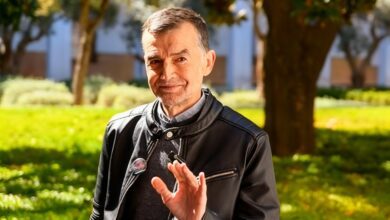
Prieto, 46, previously served as Secretary for Occupational Safety at SUP. His career has been closely tied to the Public Safety Commissioner’s Office, where he was responsible for planning, citizen engagement, and work in the Central Escort Brigade. Since 2014, he has combined police duties with union activity, and since 2017, he has devoted himself fully to defending the interests of his colleagues.
Continuity and Change
The new SUP leader makes it clear he will continue his predecessor’s policies, but also plans to step up the fight for police work to be officially recognized as a high-risk profession. This long-standing union demand includes urging the government to introduce harsher penalties for assaults on police officers and to improve working conditions. In particular, the union seeks a review of the compensation system, better personal protective equipment, and solutions for early retirement.
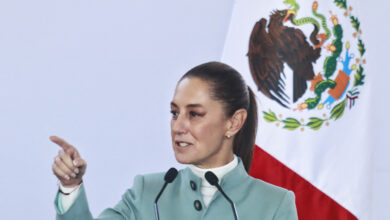
Mónica Gracia, the first woman to lead a police union in Spain, enjoyed strong support from delegates, with her most recent vote of confidence nearing 85%. In her farewell speech, she emphasized that the National Police often lacks political backing, unlike regional security forces supported by local parties. Gracia also criticized populist promises from authorities, which she said rarely materialize.
Challenges and Confrontations
In recent years, SUP has been at the center of heated debates with the government and Interior Minister Fernando Grande-Marlaska. Key grievances include delays in updating daily allowances, a lack of modern equipment, and the transfer of some migration-related powers to Catalonia. These issues have sparked discontent among rank-and-file police officers and become points of public debate.
The opposition Popular Party leader, Alberto Núñez Feijóo, attended the SUP congress. He pledged to pursue equal pay for all police officers and to secure recognition of policing as a hazardous profession, which would allow for early retirement. Feijóo also stressed the need to strengthen the principle of police authority.
Rivalry and the Future
The situation within the police union movement escalated after the emergence of the rival organization Jupol (Justicia Policial) in 2019. Jupol quickly gained popularity and even won the Police Council elections, but by 2023, their influence had weakened, and now both organizations have equal representation. SUP holds four seats in three out of the four Council categories, allowing it to maintain influence over negotiations with the Ministry of the Interior.
The new Secretary General faces the task of preparing the union for the next Police Council elections, scheduled for 2027. Prieto has already called his new role a serious challenge and promised to defend the interests of his colleagues amid growing competition and government pressure.
In case you didn’t know, the Sindicato Unificado de Policía (SUP) is the largest union of Spain’s National Police officers, with around 22,000 members. The organization was founded to defend the professional, social, and economic interests of police personnel. SUP is actively involved in negotiations with government bodies, launches initiatives to improve working conditions, and consistently raises issues regarding the status and safety of police officers.