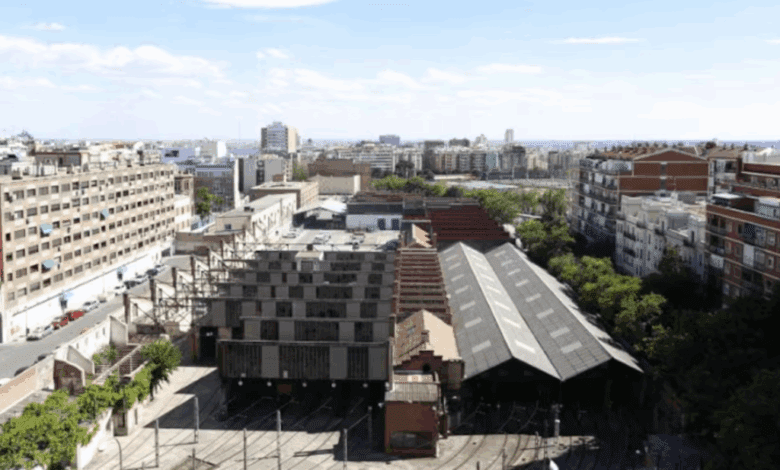
The Supreme Court of Spain’s decision on the construction of housing on the site of the former Cuatro Caminos metro depots has delivered an unexpected blow to Madrid city authorities. The verdict not only nullified plans for building hundreds of new apartments, but also cast doubt on the future development of one of the capital’s key areas. For many residents, this means the long-awaited changes in the district are postponed indefinitely and the real estate market faces yet another challenge.
Legal perspective
According to El Pais, the Supreme Court of Spain upheld the decision of the previous court, fully rejecting the appeals lodged by the Madrid City Council. The judges found no grounds for a review, which automatically makes the residential construction project on the site of the old depots impossible. This area had long been seen as a promising spot for urban development, but now any work there is prohibited.
Madrid authorities, led by José Luis Martínez-Almeida, tried to challenge the ruling of the lower court, but their arguments were not accepted. As a result, the city loses the chance to expand its housing stock in one of the most in-demand districts, and investors are forced to reconsider their plans. According to El Pais, this decision could set a precedent for other disputed projects in the capital.
Urban consequences
The restrictions imposed by the court affect not only the construction sector but also Madrid’s overall development strategy. Amid a shortage of affordable housing and growing demand for new apartments, abandoning such a large-scale project is viewed as a significant setback for the city administration. Experts note that the mayor’s office will now have to look for alternative construction sites, which may result in delays and additional expenses.
Previously, authorities had already faced criticism over transparency and the legality of some urban development initiatives. Now, following the Supreme Court’s decision, public attention has once again turned to legal compliance in urban planning. Some analysts believe this case could influence the approach to implementing other major projects in Madrid.
Market and investors
For the capital’s real estate market, the court’s decision signals the need for more thorough legal due diligence when launching new projects. Investors previously interested in developing Cuatro Caminos are now forced to reconsider their strategies and look for less risky options. According to RUSSPAIN.COM, similar situations have already led to the suspension of major construction initiatives in other regions of the country.
At the same time, city authorities do not rule out the possibility of revising urban development plans and seeking compromise solutions. However, it is still unclear how quickly an alternative can be found and to what extent this will affect housing prices in Madrid. With high competition for land, any delays could drive up prices and reduce the availability of apartments for city residents.
Context and trends
In recent years, disputes over large construction projects have become increasingly common in Spain, especially in major cities. Court decisions on such cases prove decisive for the entire market. For example, the authorities recently implemented measures to limit media income from state advertising, triggering heated debates among professionals — read more about the new rules for the media on the RUSSPAIN.COM website. Such events highlight the importance of transparency and legal compliance in implementing large-scale initiatives.
Recalling recent cases, projects to redevelop former industrial sites in Barcelona and Valencia were also blocked due to non-compliance with urban planning regulations. In Madrid, discussions over the fate of other plots, where infrastructure facilities were once located, have been ongoing for several years. Each such instance draws public attention and shapes new standards for urban development.