Spain is a country where diverse landscapes blend seamlessly with a rich cultural heritage. In addition to its well-known cities, it boasts numerous small towns and villages, many of which regularly appear in rankings of the country’s most beautiful villages. These places attract tourists and new residents alike with their unique atmosphere, architecture, and natural surroundings.
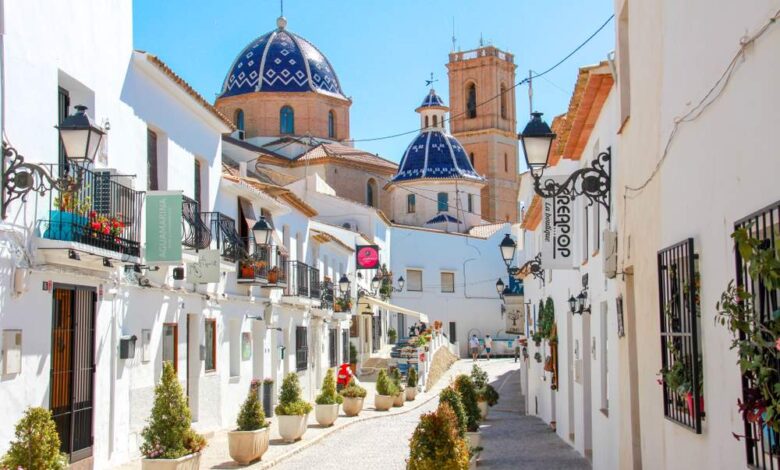
In the province of Alicante, in the region of La Marina Baixa, lies Altea—a town famous for its old quarter with white-and-blue houses and panoramic sea views. Strolling through its narrow streets leading to the church of Nuestra Señora del Consuelo, notable for its distinctive domes, gives visitors a true sense of Mediterranean charm. Altea has long been a popular destination for both relaxation and inspiration.
In the Catalan Pyrenees, nestled in the Boí Valley, is Taüll. This small town, recognized as a ‘Charming Village,’ is known for its stone houses and unique historical heritage. The nearby Aigüestortes National Park and Lake Sant Maurici, along with renowned 12th-century Romanesque churches listed as UNESCO World Heritage Sites, add to its appeal.
In the north of the country, in Asturias, lies Cudillero—a fishing village where houses cascade down toward the sea. Its cozy atmosphere, fresh sea air, and views of the Cantabrian Sea make this spot especially appealing. Local attractions include Silencio Beach, Cape Vidio, and the Church of San Pedro in the historic center.
In the province of Guadalajara, in the heart of Castilla-La Mancha, lies Sigüenza. The town is known for its castle, which now operates as a national Parador, as well as its medieval streets, a square with Renaissance architecture, and a majestic cathedral. Sigüenza preserves the traditions and atmosphere of centuries past, making it an appealing destination for history enthusiasts.
In Aragón, on the banks of the Matarraña River, sits Valderrobres. The town is divided into old and new sections, connected by a Gothic stone bridge. Here, you can see a medieval castle and the Santa María la Mayor church, while a stroll through its streets leads to cozy squares and historic homes. Valderrobres is suitable both for permanent living and short visits.
In Cantabria, just 30 kilometers from Santander, is Santillana del Mar. This village grew up around the 12th-century Santa Juliana Monastery and is renowned for its medieval architecture. Palaces with coats of arms, baroque towers, and cobbled streets have been preserved, giving the place a unique atmosphere. Santillana del Mar is an ideal choice for those who value peace and history.
Ayllón, located in the center of the province of Segovia, has ancient roots, with Celtic remains found on a hilltop. The local highlight is a medieval bridge leading to the town walls and the 12th-century San Miguel Archangel Church. In Ayllón, you can also see historic mansions and palaces, making it attractive for architecture lovers.
In the north of the Madrid autonomous community stands Buitrago del Lozoya. This village is famous for its well-preserved medieval fortress wall, built during the time of Abd ar-Rahman III. Buitrago is also home to the Picasso Museum, featuring a collection of the artist’s works, and nearby is the Santa María del Castillo church.
In Rioja Alavesa, in the province of Álava, lies Laguardia—a fortress town surrounded by vineyards. Entry to the center is only possible through ancient gates, and inside, visitors will find Gothic churches such as Santa María de los Reyes with its unique 14th-century portal, and the house of Félix María Samaniego. Laguardia is an excellent place to discover the winemaking traditions of the region.
The list concludes with Castrillo de los Polvazares in the province of León. This village is known for its stone houses with green doors and uneven streets, where pilgrims on the Camino de Santiago pass through every year. Some houses still display family crests, and its proximity to León makes Castrillo a convenient stop for travelers.
Each of these villages is not just a tourist destination but a part of Spain’s cultural and natural wealth. They are ideal both for a peaceful getaway and for living away from the city bustle, all while preserving authenticity and traditions.